
The Isle of Wight has one of the most distinctive housing stocks in the south of England. From
Georgian townhouses in Ryde to Victorian terraces in Ventnor, thatched cottages in the West Wight,
and centuries-old farmhouses dotted across the rural interior, a significant proportion of Island
properties are over a hundred years old and almost all of them contain timber that is vulnerable
to wood-boring insects.
At Hillbans Pest Control, woodworm surveys and treatments are one of the
most consistent enquiries we receive from period property owners, particularly in the months
leading up to a sale, mortgage application or building insurance renewal.
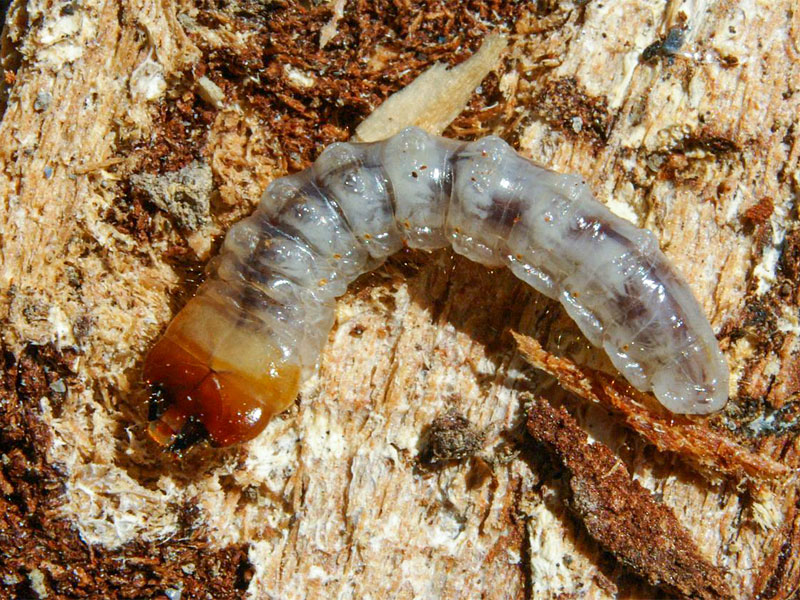
Woodworm is the larval stage of several different beetle species, not a single
pest. Treatment depends entirely on which species you have, whether the infestation is active, and
the condition of the timber. A proper survey is always the first step never start spraying chemicals
based on holes alone.
This is why the visible damage the holes and the dust is the symptom of activity that has
already been going on, often for years, deep inside the timber. By the time you can see it, the beetles
are emerging.
By far the most widespread woodworm species in UK homes. Round exit holes around 1 to 2mm in
diameter about the size of a pinhead. Light-coloured powdery dust (frass) often visible directly
below the holes. Attacks softwood and the sapwood of hardwoods. Found in floorboards, joists, roof
timbers, staircases and furniture. Treatable but persistent.
Small, irregular exit holes and ragged tunnels. Always associated with timber that is already wet and
decaying they are essentially a symptom of an existing damp problem rather than a pest in their
own right. Resolving the moisture source usually resolves the weevil.
Three factors combine to make Island period homes particularly attractive to wood-boring insects.
The age and quality of the timber
Older softwood and hardwood used in Georgian, Victorian and Edwardian construction was typically
slow-grown, with a high proportion of sapwood. Sapwood contains the starches and sugars that
woodworm larvae feed on, modern kiln-dried construction timber has far less. The denser, older
heartwood is generally more resistant, but most period roof timbers, floorboards and joinery contain
sufficient sapwood content to support an infestation.
The Island’s climate
The Isle of Wight has a mild, maritime climate with relatively high ambient humidity year-round and
limited summer extremes. This is ideal for wood-boring beetles. Many period properties
particularly those built before the introduction of damp-proof courses, those with solid stone or brick
walls, and those near the coast, sustain timber moisture levels in the 12 to 20 percent range, which
is the sweet spot for common furniture beetle activity.
Underused and unheated spaces
Lofts, cellars, under-stair cupboards, larders, outbuildings, holiday cottages used only seasonally, and
second homes left empty for long stretches all create the cool, undisturbed, slightly damp conditions
in which woodworm thrives. The Island has a high proportion of holiday homes and seasonal lets,
which is why we so often find established infestations during pre-sale surveys on properties that
have been gently used for decades without significant intervention.
Signs that suggest active infestation
Top Tip: Vacuum or dust off the affected area thoroughly, then leave a sheet of dark paper or
card directly underneath for two to four weeks during summer. If fresh frass appears, the infestation
is active. If nothing appears, the activity has likely ceased.
If you have spotted fresh holes, frass on a beam, live beetles indoors during summer, or a survey has
flagged a woodworm concern, the right next step is a professional inspection. Hillbans Pest Control
offers accredited woodworm surveys and treatments across the entire Isle of Wight.
Call Hillbans on 01983 406999 or email info@hillbanspestcontrol.co.uk for a woodworm survey
