
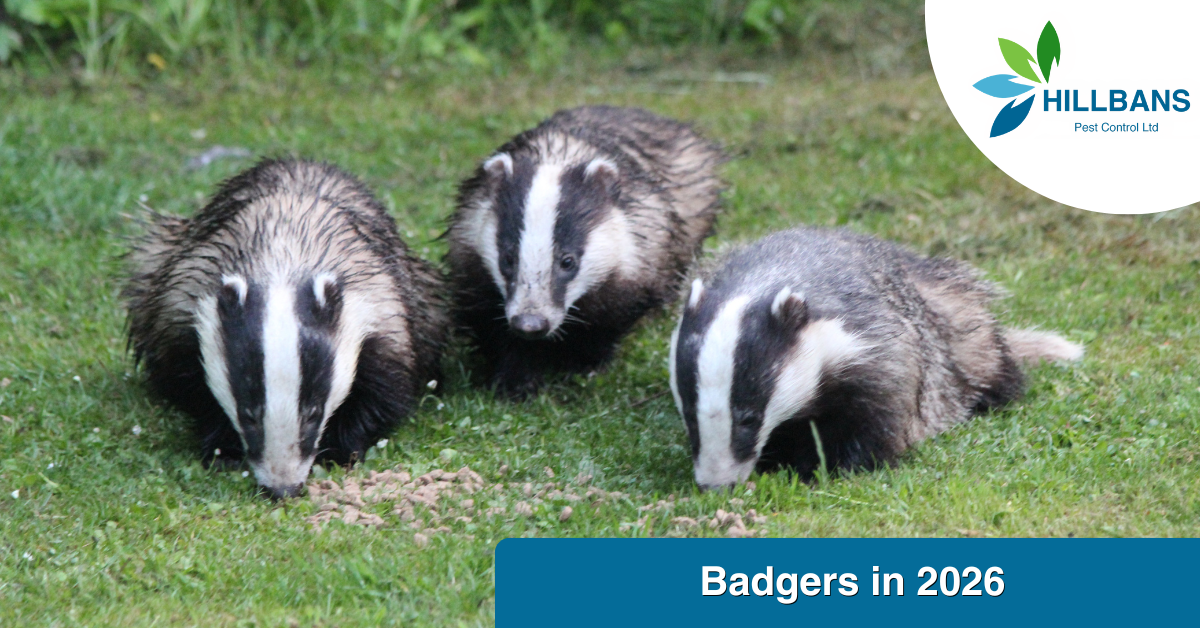
Badgers in 2026. Badgers are one of the UK’s most recognisable native mammals and are heavily protected by law. While they are a countryside favourite, habitat loss has increasingly led to human-wildlife conflict, making them an important consideration when carrying out professional pest control treatments.
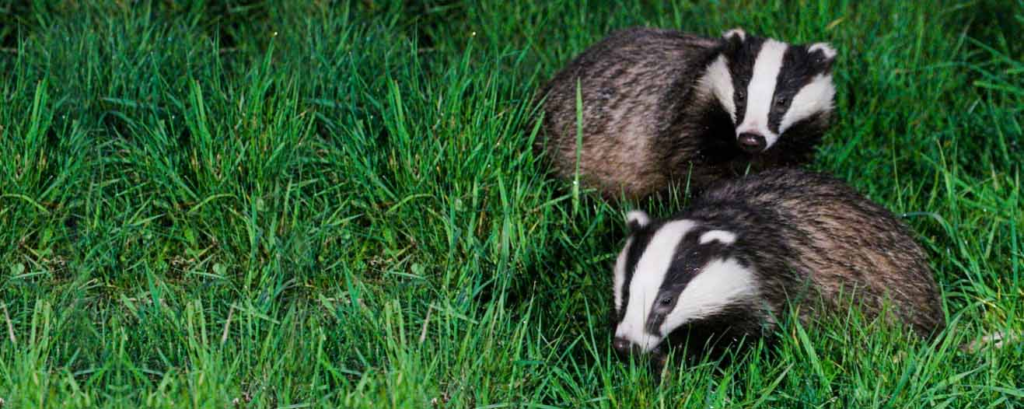
There has been a rise in reported cases of secondary poisoning among various bird and mammal species across the UK. Some of these cases have been confirmed, while others remain unconfirmed. Although many unconfirmed cases may appear clear-cut, pathology reports are required as evidence before confirmation can be made.
As they are heavily protected by the law, Badgers are a countryside favourite that have been directly affected by habitat loss leading to human animal conflict. They should always be considered during an initial survey when any rodenticide treatment is being proposed. Having badgers in urban areas can create additional considerations when addressing other pest species, as rodenticides are a significant area of concern when badgers are present.
Depending on the target species, pest control technicians will often ask what wildlife uses your garden area, even when the pest issue is located indoors. This helps ensure the correct treatment decision is made. Training provided by the British Pest Control Association (BPCA) covers wildlife considerations, helping technicians minimise risks to non-target species.
Many traditional treatments contain flavourings that can be attractive to native badgers. This can lead to non-target poisoning and bioaccumulation within the animal’s system.
There is also a high percentage of slug activity in certain locations within bait stations. While rodenticides have no effect on molluscs, slugs can contribute to secondary poisoning risks when they come into contact with bait and are subsequently consumed by wildlife.
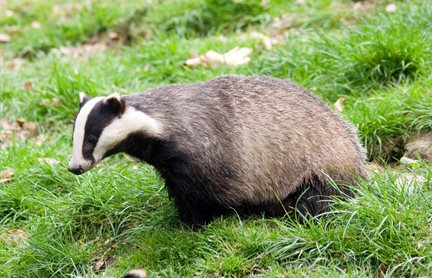
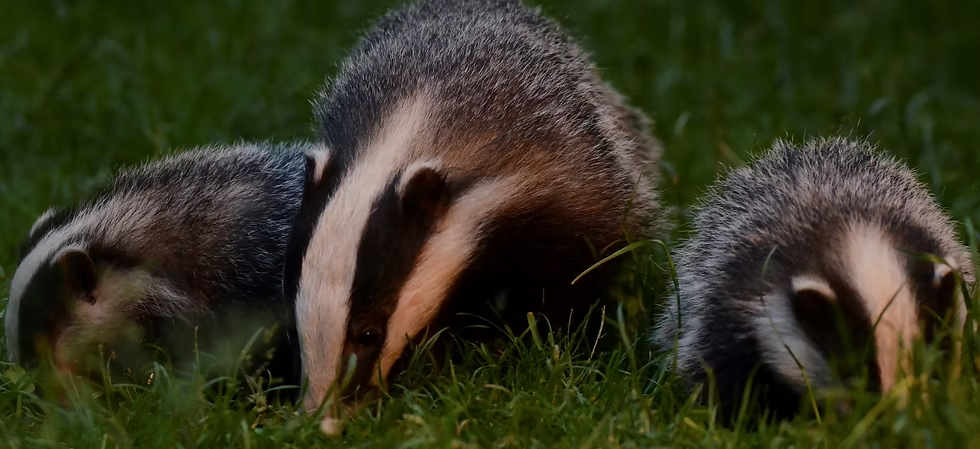
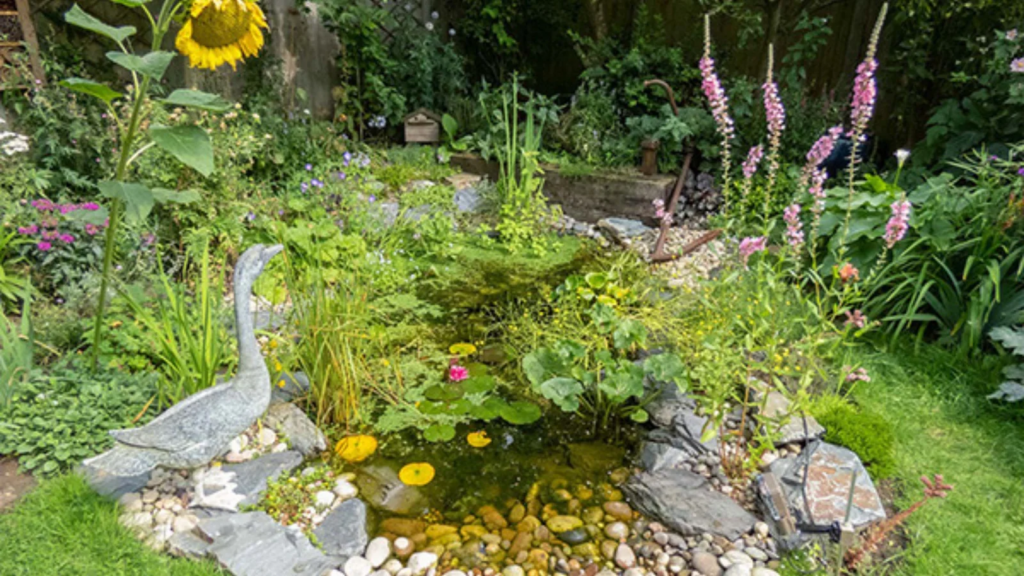
With the growing trend towards wild gardens, inviting larger mammals into gardens is on the rise. Content creators, environmentally conscious individuals and wildlife organisations often promote these practices through social media, encouraging greater interaction with wildlife.
Although badgers are protected, there are rare occasions when they themselves become the subject of a pest management concern.
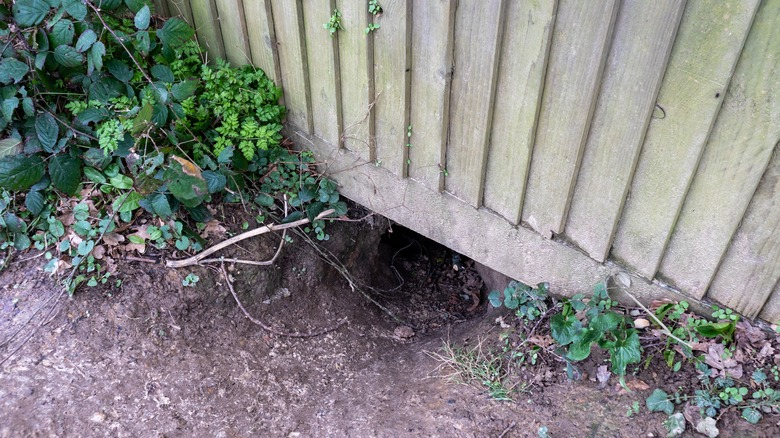
As mentioned above, human-wildlife conflict can sometimes lead to individual badgers or entire setts being assessed for relocation. Relocation involves creating a suitable alternative location where a new sett can be established, providing an alternative to lethal control.
There are both pros and cons to this action. While it can reduce conflict in one area, it may also create ecological impacts elsewhere, leading to differing opinions regarding its long-term effectiveness.
Pest control technicians are always happy to work alongside other organisations within the field to help foster better working relationships and support our local ecology.
Badgers are believed to be vectors for bovine tuberculosis (bTB). During outbreaks, the badger populations are controlled to keep zoonosis under control. Although a possibility, this action overall stunned activists across the country.
Natural England monitors and reports on outcomes from managed culling sites. Reports from 2024 highlighted findings from monitored locations, including areas within Hampshire. It was also noted that some sites required further oversight and that technicians should receive annual training to ensure effectiveness, humaneness, and safety standards are maintained.
Although some studies show a positive correlation between livestock areas and wildlife populations, research has also suggested that the presence of badgers can have an impact on local hedgehog populations.
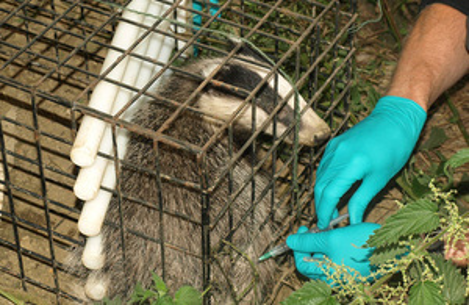
(Vaccination Programmes have been put in place)
If you would like any further information or would like to contact us please call 01983 406999 or email info@hillbanspestcontrol.co.uk
