True Bugs, Aphids & Protecting Your Garden. TRUE bugs are defined, like most fauna, by their morphological traits and fall into three main groups. Across these groups, individuals share similar feeding habits using the same specialised feeding tool.
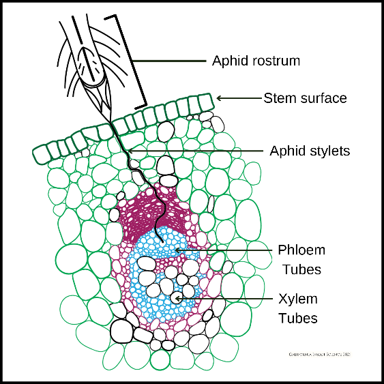
They all exhibit a long tube-like feeding tube known as a proboscis. This can be used to suck sap from plants or vital fluids from unsuspecting prey.
The three main groups of true bugs include:
You can manage aphids in three main ways:
Each method offers its own advantages and disadvantages, so choose the most suitable approach for your specific situation.
For crops grown for consumption, there is now a greater move towards biological control, using natural predator and prey relationships.
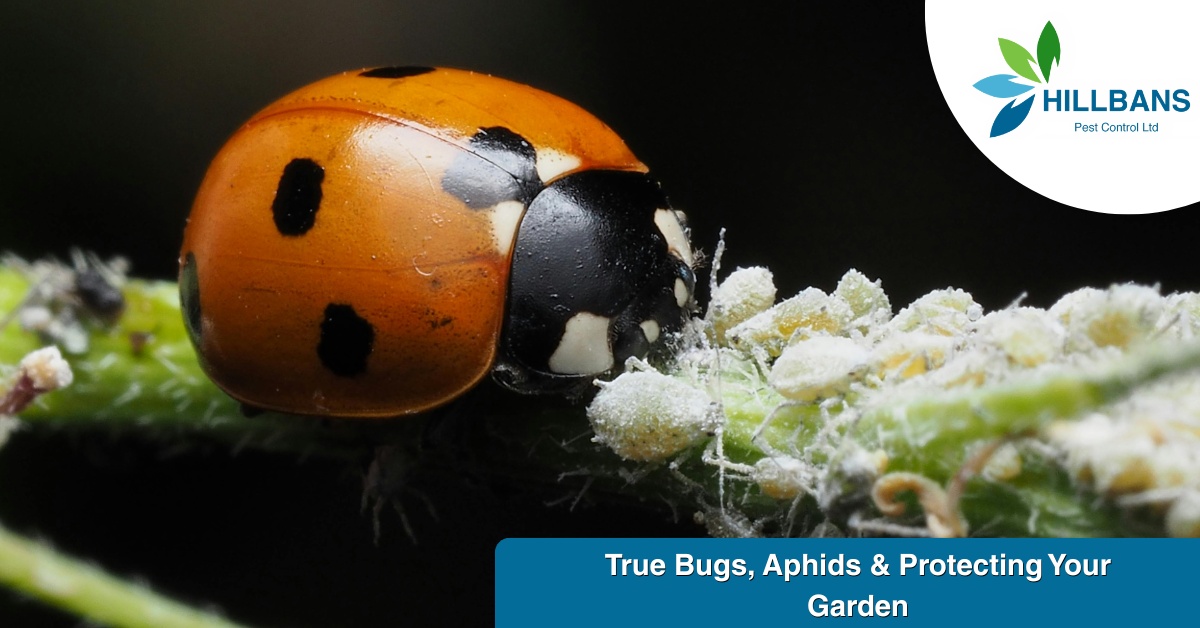
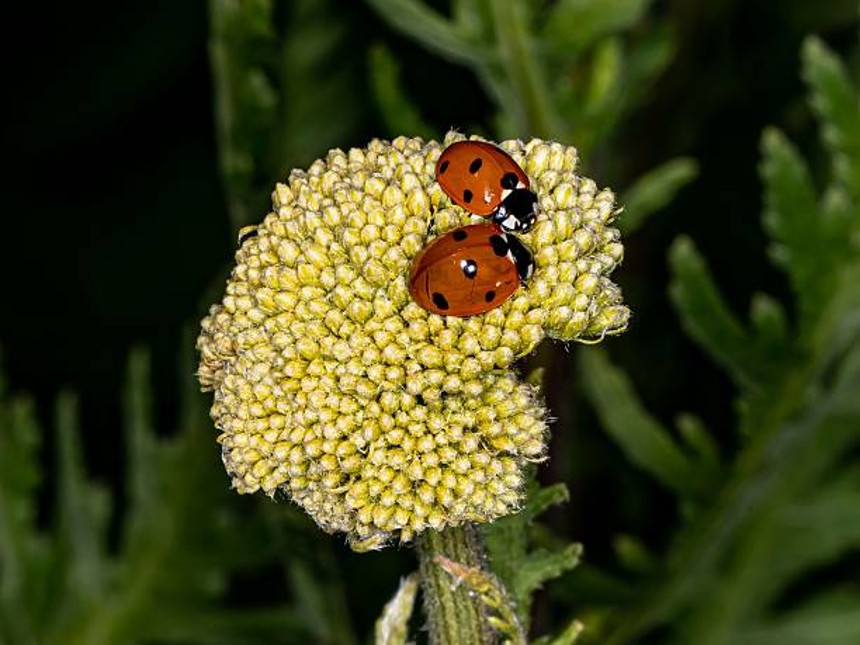
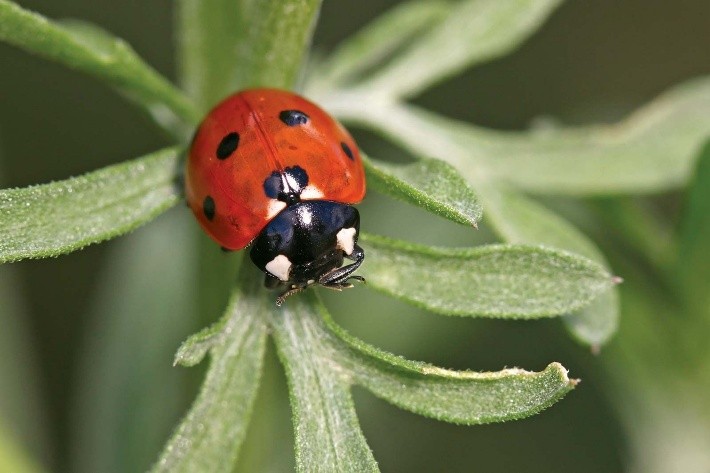
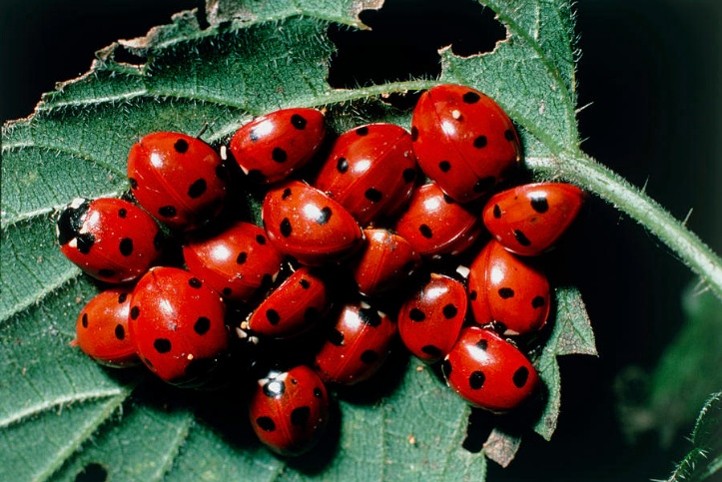
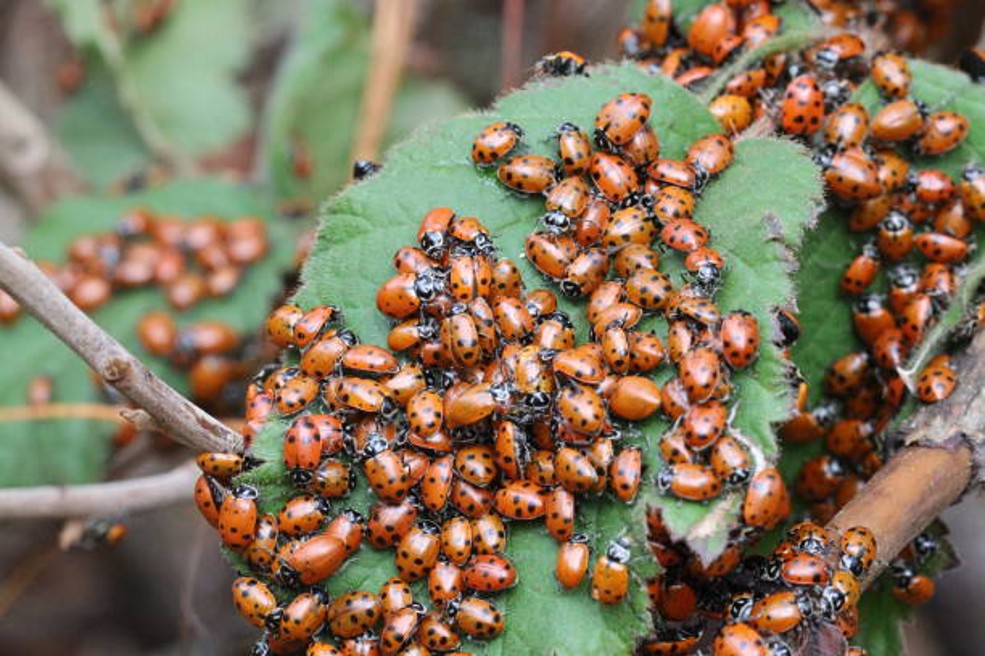
The most recognised predator is the ladybird and its larvae. These aggressive feeders can significantly reduce aphid numbers and sometimes strip plants completely
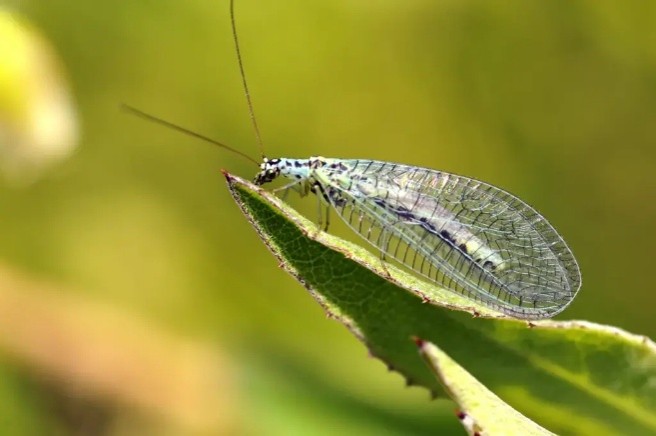
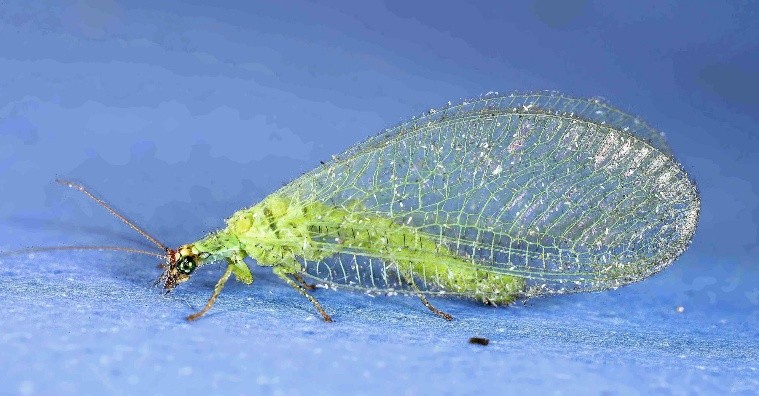
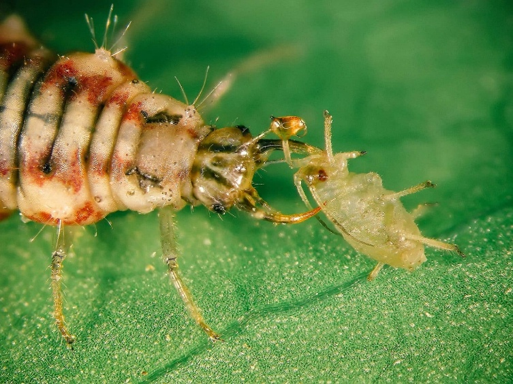
Lacewings are also skilled hunters of aphids. Using a mixture of beneficial species helps avoid promoting high numbers of one predator, preventing them from becoming a pest themselves.
Within our own gardens we face a bombardment of different species throughout the growing season. One of the most common is the aphid.
Aphids have an incomplete life cycle, meaning these insects can populate a plant or area extremely quickly.
Interestingly, aphids are also farmed by ants. This relationship benefits both species, as ants protect aphids from their natural predators. Unfortunately, this can interfere with the effectiveness of biological pest control treatments.
People managing their own gardens often choose chemical treatments, particularly where plants are ornamental rather than producing fruit.
However, there has been a definite shift towards biological control in recent years. Industrial settings also tend to favour biological methods indoors.
At Hillbans Pest Control, we would generally suggest:
Although bed bugs and aphids are often the first pests people think about, there are several invasive species that also pose a significant threat.
These insects can enter the country through unregulated imports and create problems for fruit crops including pears, apples and peaches.
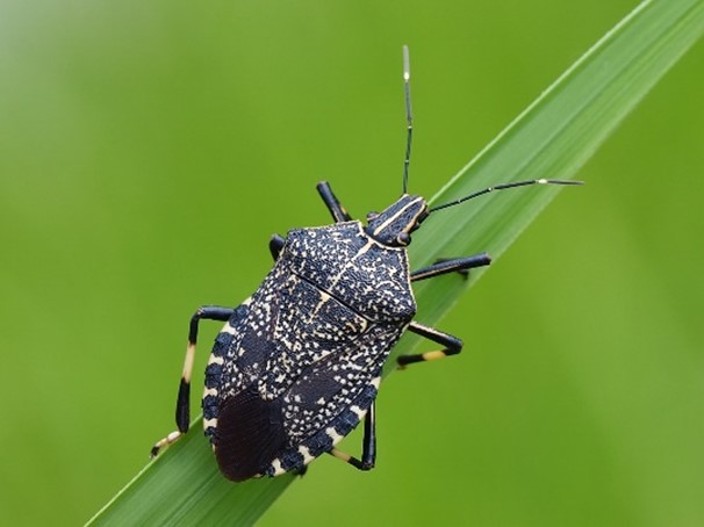
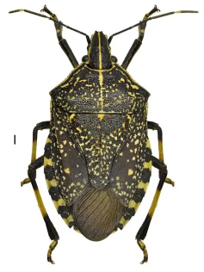
One example is the Yellow Spotted Stink Bug, which feeds on a wide variety of plant species grown across the UK and could present serious risks to crop security.
A report in 2022 highlighted how a single specimen arrived via international transport and was intercepted by border control. Had that insect established a breeding population, control measures alongside biosecurity management would have been required.
Monitoring, legislation and current biosecurity standards all play an important role in preventing invasive species from becoming established within the UK.
There are three main treatment pathways for aphids and blackfly:
Remember, aphids have an incomplete life cycle, meaning they can multiply very quickly, causing damage to plants and crops. They are also capable of spreading plant diseases throughout the garden.
Hillbans top tips are:
1. Avoid using shop-bought chemicals unless absolutely necessary.
These can negatively affect the overall health of your garden’s ecosystem.
2. Encourage beneficial insects into your garden.
Natural predator-prey relationships are one of the best long-term methods of controlling aphids, and many beneficial species are readily available online.
3. Use mechanical control where possible.
A damp cloth can be used to wipe colonies from plants, or aphids can simply be removed by hand.
Contact us if you would like any further information of professional advice.
