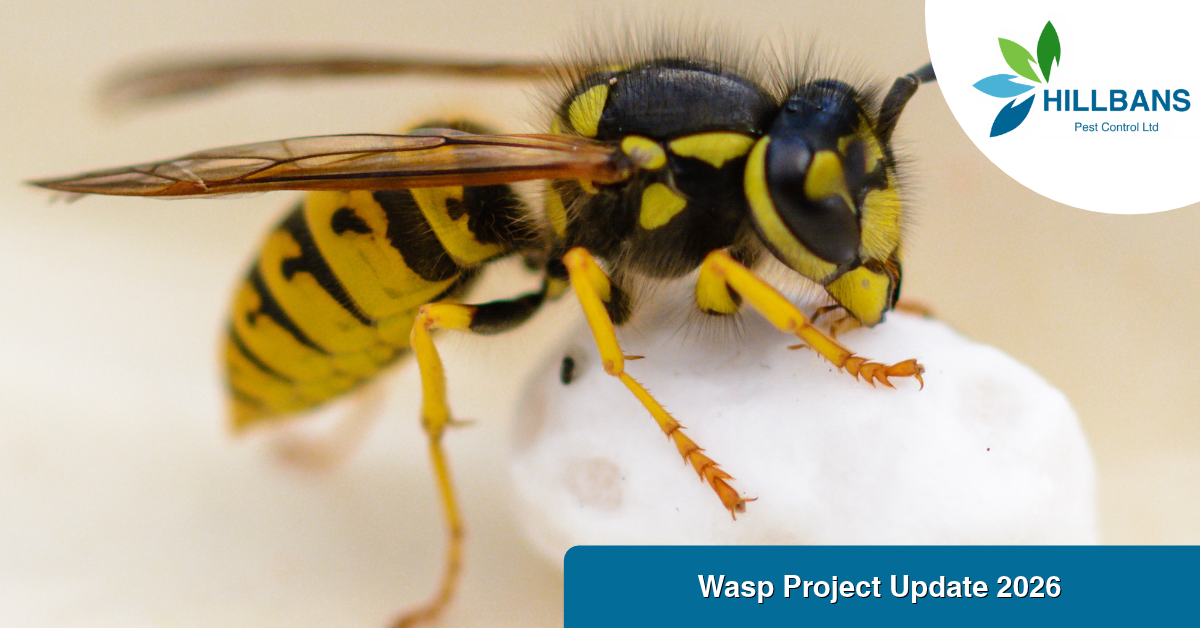
WASP PROJECT UPDATE 2026. As we are seeing a decrease in temperature daylight and food abundancy, our wasp and yellow legged hornet monitoring scheme is coming to an end for 2026. We thought we would give a summary of how and why the project was created.
Due to recent reports of wasp populations disappearing across the United Kingdom. We looked at three years of our own record data concerning contracts across the north territory of the island and will continue to monitor over a 5-year period. This will also contain a monitoring scheme as well as treatments and chemical used. Within the area we have a good mixture of environments from urban to forestry, giving a good representation of habitats. The project also allowed early queens to build their nests and for each nest population to grow before monitoring.
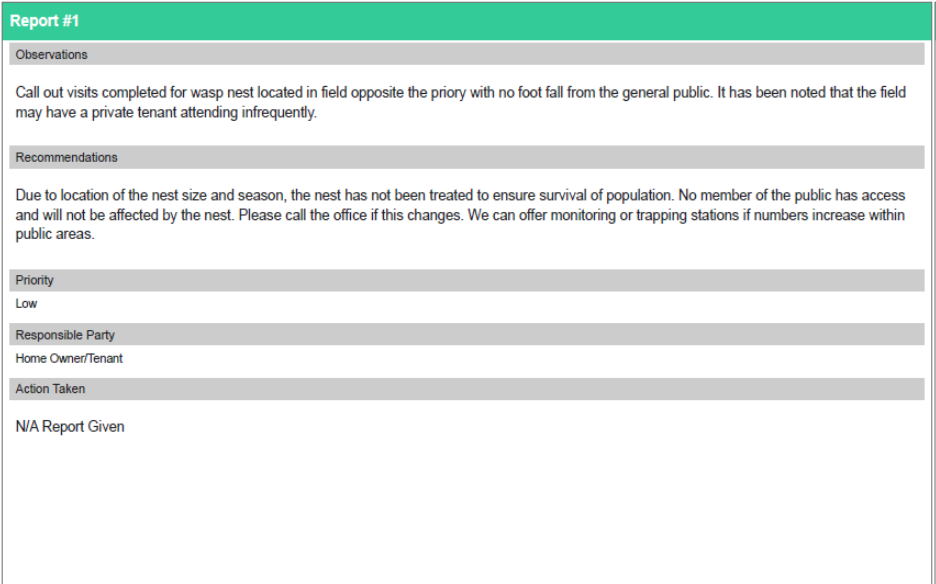
This new company ethos is protecting populations, enabling the species a chance to cope with the earth’s natural processes. It also highlights how positioning and size can affect later generations.
We used two main types of trapping for the first year to investigate species statistics as well as monitoring the threat of YLH. Wet stations are liquid lore based designed to attract and neutralize individuals looking for protein-based foods. This helps to identify all species in traps and can be left for two maximum days before being collected. Once collected, each sample is then taken to the lab. Each wasp is identified by using the key produced by Richard Lwington from “Guide to Garden Wildlife”. This is due to the most common species seen by technicians.
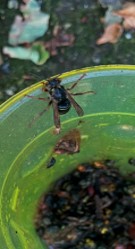
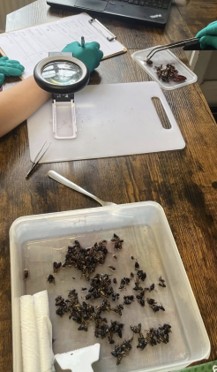
Dry monitoring is designed to catch individuals looking for sugar-based sources and usually utilize fruit in the trap and is set up and monitored for 30mins at each site. This means that all individuals can be released. This helps when trying to locate YLH nests by tracking trapped individuals. Once caught, a tracker can be fitted and the hornet released to astrain nest locations across the Isle of wight. We use this method as soon as queen wasps are spotted or if a YLH is noted in a wet trap. This allows other teams to be able to track with ease.
Our procedure concerning a sighting of the YLH is to contact the nation bee unit with a confirming photo, location and time. Once their team has arrived, we continue, along with other organisations with dry monitoring until the nest is located and dispatched. Please note that the treatment of nests is the responsibility of the nation bee units’ team and will take time for a representative to arrive on the island, so observation is critical in this period. Luckily there has only been one confirmed sighting of the YLH this year on the Isle of Wight where the nest has successfully been dispatched.
Although part of the overall initiative Hillbans did not find the individual or nest but were ready to offer support where needed. Collaborations across organisations is something that Hillbans have been getting involved in. Since 2025, the company is promoting various initiatives in conservation within pest control. Due to this reason, we have made the ethical discission to only treat nests if they are an actual public health risk and educate the public on factors affecting populations.
Results 1 out of 30
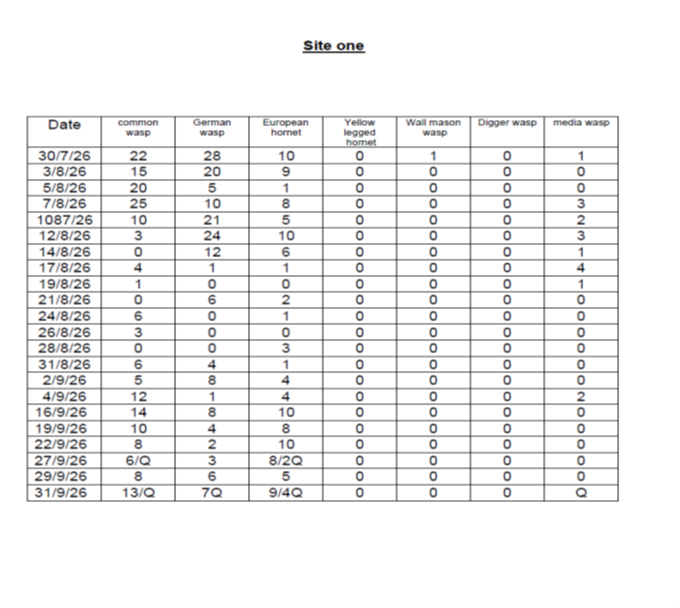
| Vespula vulgaris | 191 | Ancistrocerus parietum | 1 |
| Vespula germanica | 170 | Argogorytes mystaceus | 0 |
| Vespa crabro | 121 | Dolichovespula media | 18 |
| Vespa velutina | 0 | ||
Overall site numbers reflect our location data over the past three years.
If you would like to know more about conservation indicative at Hillbans, please get in contact.
