Rats and Mice on the Move: Your Rodent-Proofing Checklist for Isle of Wight Homes. As nights cool, field food sources dwindle and outdoor shelter becomes less reliable, rats and mice on the Isle of Wight begin a well-established migration from hedgerows, farmland edges, drainage runs and garden voids into the warm, food-rich environments of our homes, garages, sheds, outbuildings, farms and commercial premises.
Its cheaper, quicker and less stressful to keep rodents out now than to remove them once they’ve established a nest in your loft, under your floorboards or behind your kitchen units in December. This guide is a practical checklist you can work through yourself, plus the signs that indicate you’re already too late for prevention and need professional intervention.
Why Rodents Move Indoors in Autumn
Brown rats (Rattus norvegicus) and house mice (Mus musculus) are both active year-round, but their behaviour changes significantly with the seasons.
Through spring and summer, rats on the Isle of Wight live very comfortably outdoors feeding on cereal crops, fallen fruit, garden waste, bird food and farm feed stores. From mid-September, cereal harvest ends, garden waste dries up, seasonal food sources reduce and the rats that have bred all summer look for warmer, drier shelter with reliable food. A house loft, a wall cavity, a shed with stored grain or bird feed are all ideal targets.
House mice are more strongly tied to human habitation year-round but their populations spike in autumn as young mice from summer litters mature and disperse to find their own territories. Wild mice (wood mice and field mice) also enter buildings in autumn as outdoor conditions deteriorate often through subfloor voids, garages and sheds first, then into the main house once established.
A single pair of mice can produce 30 to 60 descendants in a year. Catching the problem early before it starts is enormously more effective than dealing with an established infestation.
The Isle of Wight Rodent-Proofing Checklist
1. Walk the perimeter of your building
Rats and Mice on the Move: Your Rodent-Proofing Checklist for Isle of Wight Homes. Walk around the outside of your property looking specifically for gaps. Pay attention to:
Where pipes, cables and utilities enter the building. Gaps around gas pipes, water pipes, electrical cabling and internet lines are the most common rodent entry points in modern homes.
Air bricks especially on older properties. Broken, damaged or unscreened air bricks are a direct route into subfloor voids and wall cavities.
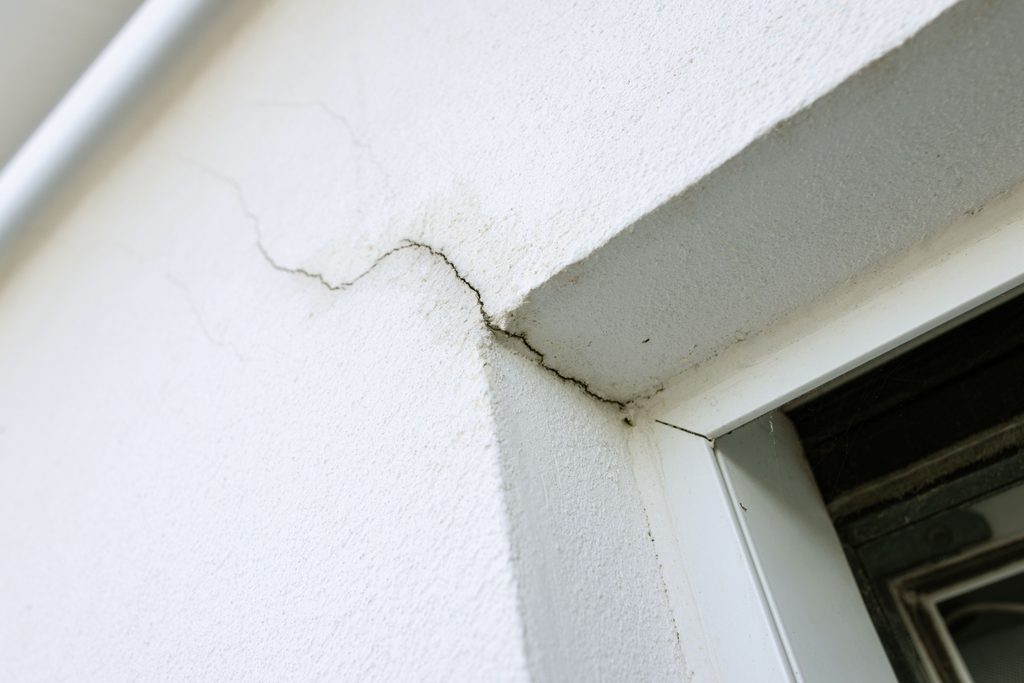
The line between the walls and the ground. Any gap, subsidence crack or worn masonry at ground level is an invitation.
Around outbuildings, garages and extensions — the join between an old and newer structure is a classic weak point.
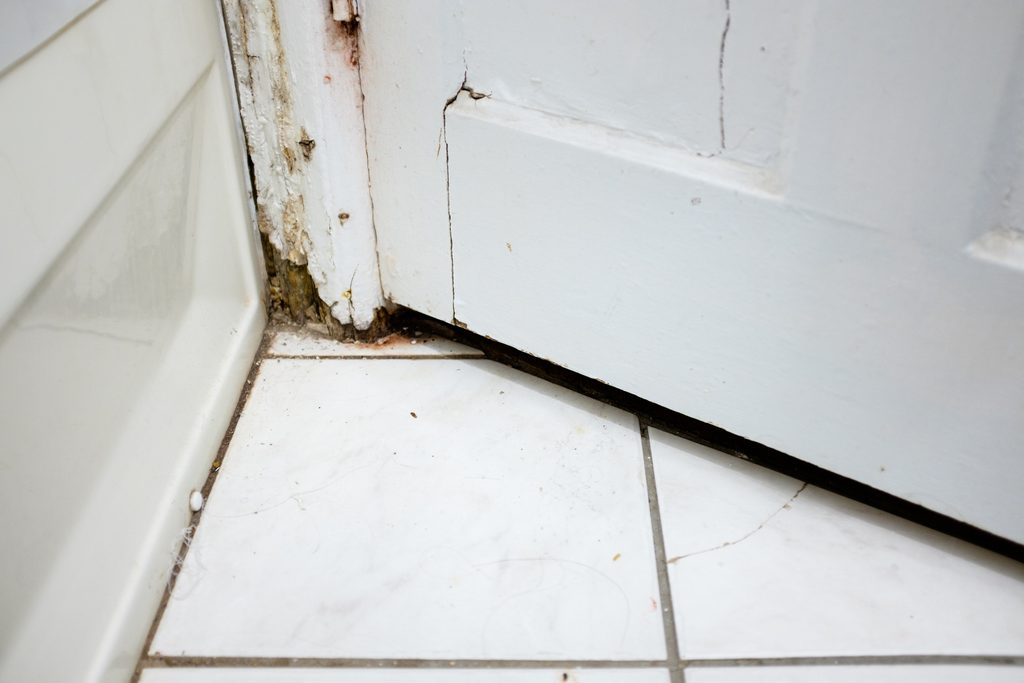
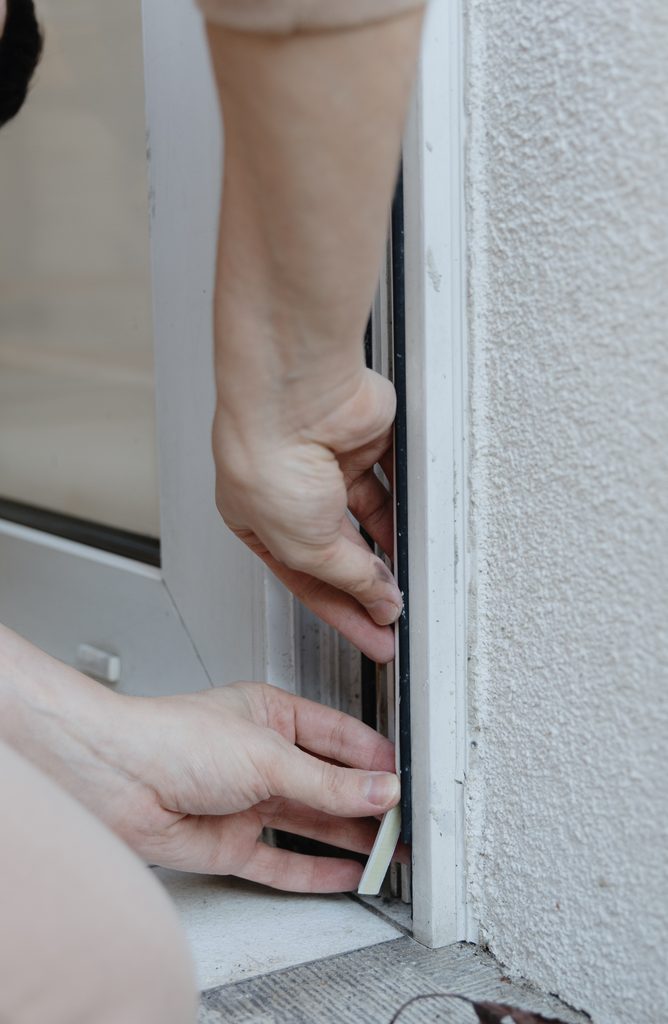
External door thresholds. If daylight is visible under a door, a mouse can walk under it.
Missing or damaged pointing in brickwork, particularly near ground level.
2. Seal what you find
For rodent-proofing to work, you need the right materials. Mice and rats can chew through most soft materials including expanding foam, silicone sealant on its own, plastic vents and softwood.
For small gaps (up to about 25mm): stainless steel wire wool packed tightly, followed by a bead of exterior-grade sealant to hold it in place. Mice and rats will not chew through steel wool.
For larger gaps: fine stainless steel mesh (6mm aperture or finer) fixed with masonry screws or into a mortared repair. Mouse-proof mesh should be at least 6mm; rat-proof at least 12mm.
For pipe entries: purpose-made rodent-proof pipe collars, or cement-based mortar around the pipe.
For air bricks: stainless steel air brick covers fitted over the existing brick.
For door thresholds: brush strips or purpose-made rodent-proof threshold strips.
3. Address external food and shelter attractants
Rats and mice will happily sit in adjacent shelter and repeatedly test the proofing until they find a weak point.
Move compost heaps and bins at least five metres from the house wall. If that’s not practical, use rodent-proof composters with sealed bases.
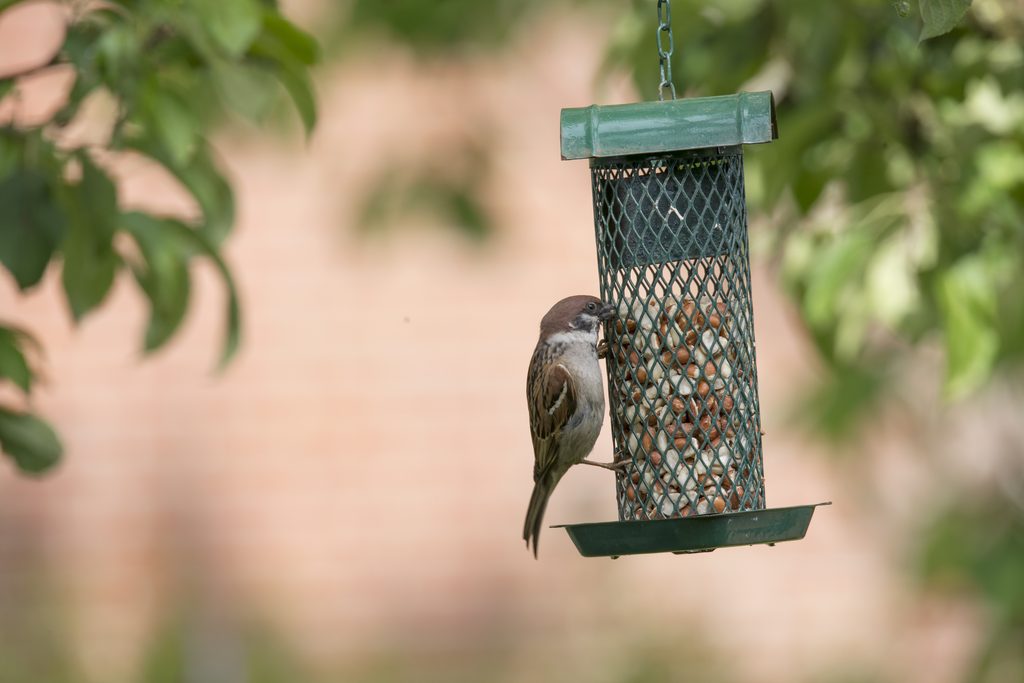
Store bird food in sealed metal or robust plastic containers, not in paper sacks. Consider suspended feeders with tray attachments to catch dropped seed rather than allowing it to accumulate on the ground.
Clear fallen fruit from beneath apple, pear and plum trees promptly.
Cut back ivy, climbers and dense vegetation from external walls. Ivy is one of the most rodent-friendly features you can have on a house — it provides shelter, thermal insulation and a highway to upper storey entry points.
4. Rodent-proof outbuildings and sheds
Sheds, garages, workshops and outbuildings are often the first foothold rodents establish on a property. Once they’ve settled in an outbuilding, moving into the main house is a much shorter journey.
Store all animal feed, bird seed, pet food, dry goods and stored produce in sealed metal or heavy-duty plastic containers, not in original bags.
Fit brush strips or thresholds to shed and garage doors. Ill-fitting shed doors are a huge weak point.
Clear out accumulated cardboard, paper, textiles and undisturbed clutter that provides nesting material.
Check the joint between shed walls and their base. Rodents often enter under the panels rather than through the door.
5. Manage internal risk
These measures reduce the appeal of the interior to any rodent that does get in.
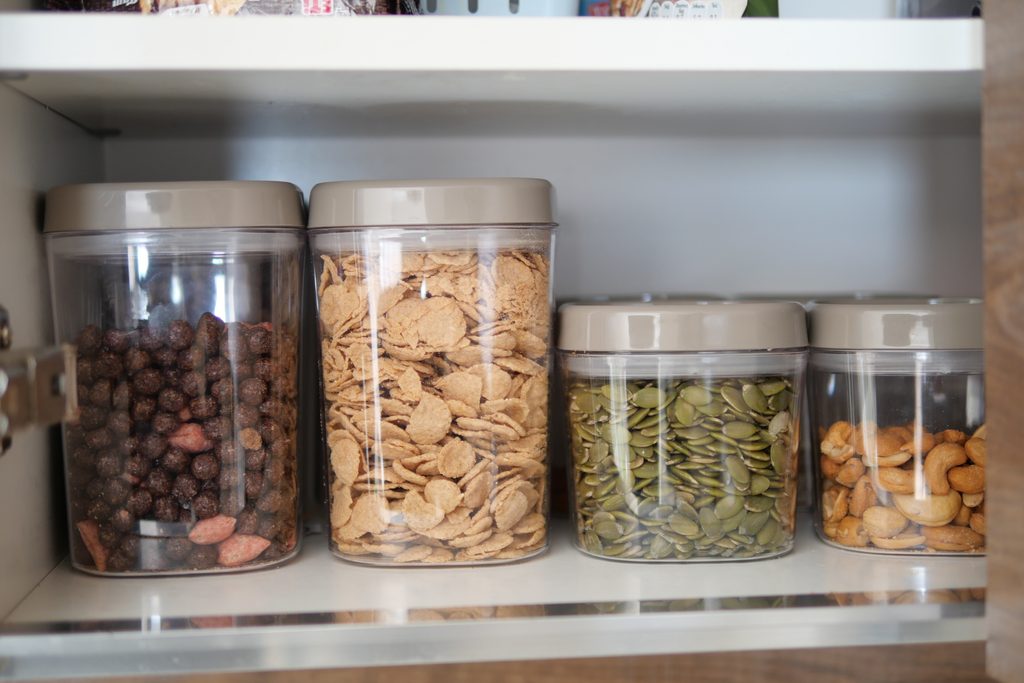
Store dry food in sealed containers, particularly cereals, pasta, rice, flour, pet food and grains.
Empty kitchen bins overnight and clean them regularly.
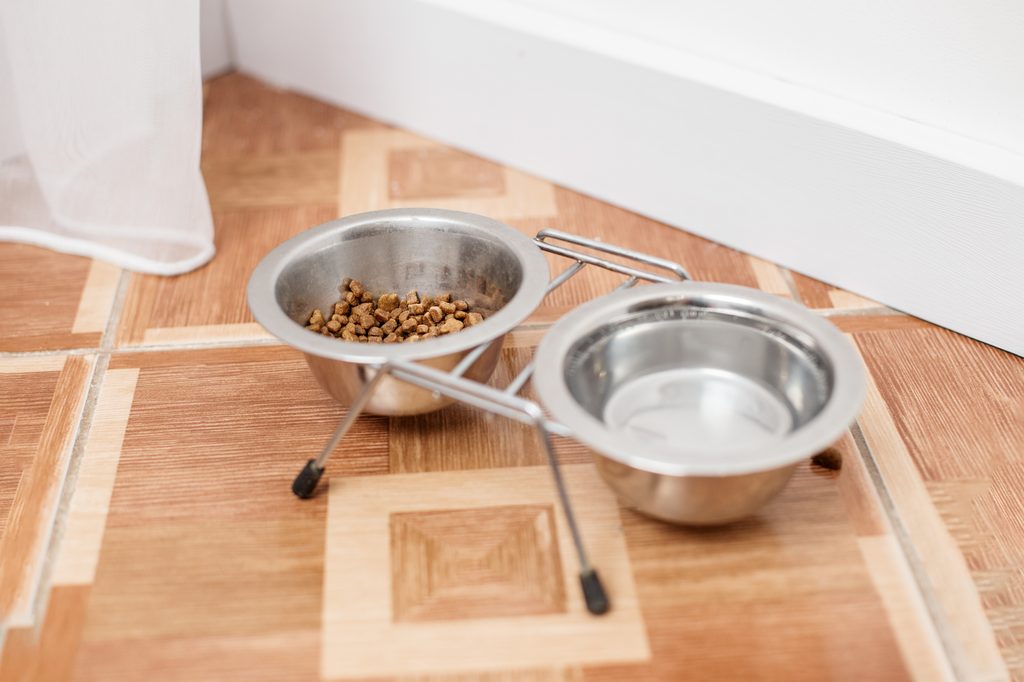
Don’t leave food out overnight, including pet food bowls.
Check under kitchen units, behind appliances, in cupboards under the sink and in utility rooms monthly for droppings, gnaw marks or greasy runs.
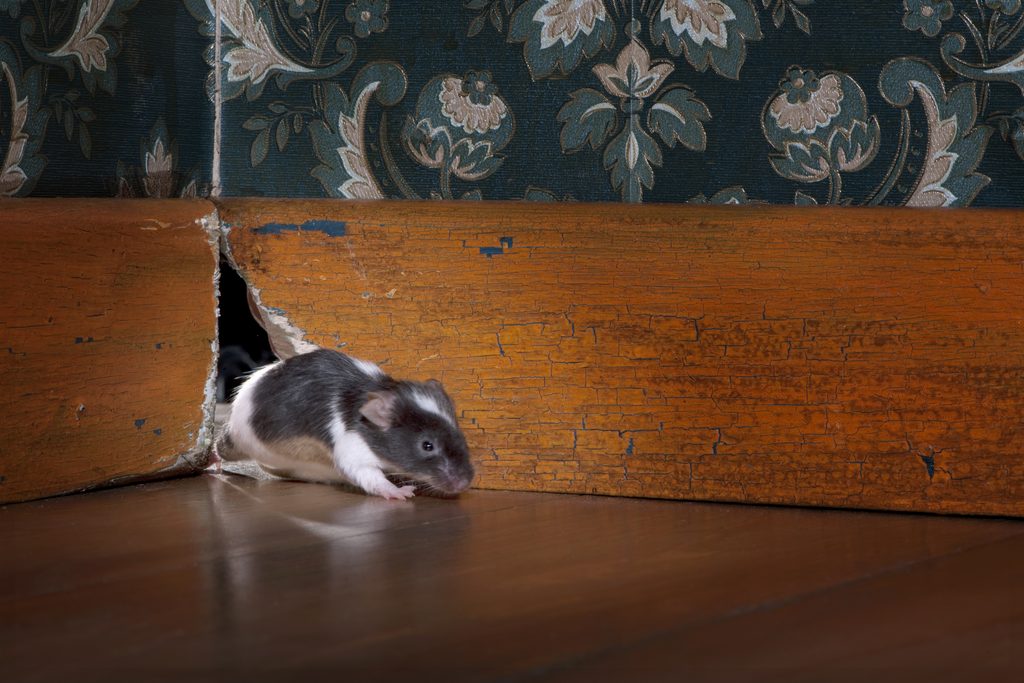
Repair internal cracks and gaps between skirtings and floors, around pipe entries under sinks, and behind kitchen units.
Signs You’re Already Too Late for Prevention
If any of the following are present, you’ve moved from prevention into an active infestation and prevention alone won’t resolve it.
Droppings – dark, cylindrical, 3 to 6mm for mice, 12 to 18mm for rats. Fresh droppings are dark and moist; older ones are dry and grey.
Gnaw marks on food packaging, timber, plastic pipework or cables.
Grease marks along skirtings, at the base of walls or around holes — rodents follow the same routes repeatedly and their fur leaves distinctive dark smudges over time.
Scratching or scurrying sounds in ceilings, walls or beneath floorboards, particularly at night.
A distinctive musty, ammonia-like smell in enclosed spaces such as under-stair cupboards, under sinks or in lofts.
Disturbed insulation, shredded paper or fabric nesting material in lofts, sheds or wall voids.
When to Call Hillbans
If you have seen signs that a rodent issues may be present its better to get in contact sooner rather than later. We offer bespoke rodent treatments to eradicate rodent issues within homes and businesses. Contact us today for a non-obligation quote or if you would like to find more information regarding our services.