Ants: Understanding the Different Species and How They Can Be Managed. Ants are a common sight across the UK, particularly during the warmer months. There are around 50 types of ants found across the United Kingdom, with three main species commonly seen in our gardens. These species are native to the UK, although some ant species have been introduced.
The Black Garden Ant is the most widespread garden ant. It is dark brown or black in colour and commonly nests underneath lawns, patios and stones.
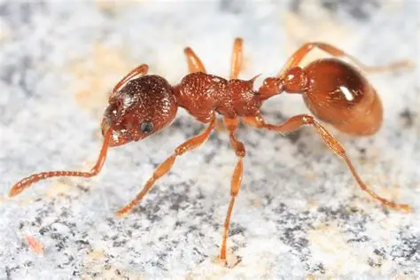
The Red Ant is copper-red in colour and can often be found underneath logs or stones. If disturbed, they can deliver a painful sting.
The Yellow Meadow Ant is pale yellow-brown in colour. It builds small earth mounds in lawns and areas of rough grass.
Ants vary in size, feeding habits, nest size, nest location and behaviour. Some species farm livestock, while others forage for food. Some may also invade homes in their never-ending search for food.
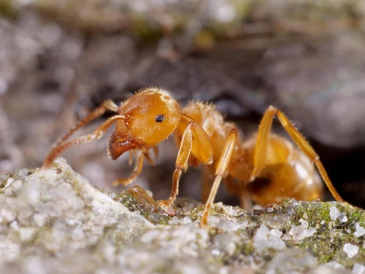
Ants are part of the insect family and have a complete life cycle, with a queen at the centre of the colony. Depending on the size of the nest, there can be more than one queen at any given time.
Ant nests can be located underneath stones or within the roots of grassy lawns. Other species build mounds that stick up above the surrounding area, although these can sometimes become disused.
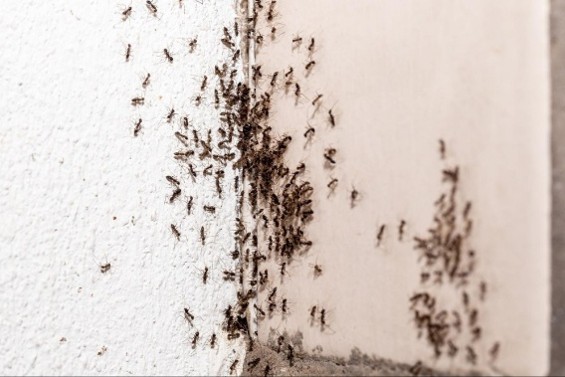
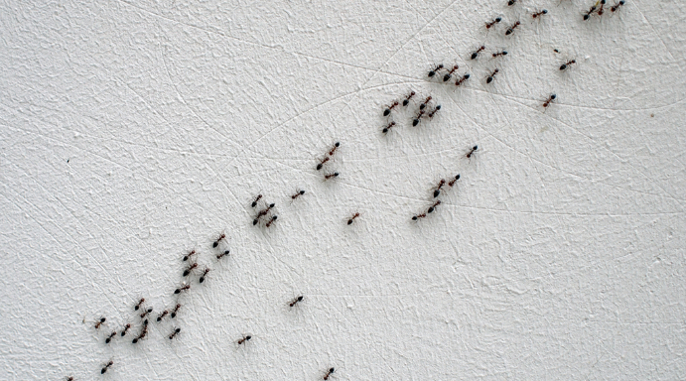
The main problem with ants is linked to their defensive nature as social animals. Their sheer numbers can present issues when they become disturbed or feel threatened. Once ants are noticed, they may have already spread across an area of lawn.
The number and frequency of nests can also present problems in public places, particularly where large numbers of ants are present.
Treatment works by eradicating the queen. Once the queen has been eliminated, the nest will eventually collapse as the existing generations die without another queen to produce offspring.
Although this sounds simple, treating ants can present its own challenges.
Chemical treatment involves directly adding a substance to the local area. Trained professionals will always carry out an environmental assessment before deciding whether chemical treatment is an appropriate treatment pathway. However, chemical treatment is generally avoided where possible.
There are also various home remedies and traditional methods that can be used to treat ants around the garden and home. These can include mechanical, chemical and biological methods.
Nematodes can readily be purchased in the UK to treat ants and encourage them to move through irritation. However, the main issue with using nematodes is keeping the treatment area damp. Without sufficient moisture, nematodes are not effective.
Reducing food sources can also help discourage ants, although this is not always foolproof.
A group of chemicals known as insecticides are used to treat many different insect species. These fall into five main categories:
These treatments are chosen depending on the lifestyle and behaviour of the species being treated. Ants are generally treated with methods selected according to the particular species and circumstances.
Some people opt to dig out nests from the ground for non-chemical way of getting rid of the nest.
Ants can be persistent pests, particularly when nests become established in gardens, around buildings or in public areas. Understanding the species, its behaviour and the location of the nest is important when deciding on an appropriate treatment approach.
At Hillbans Pest Control, our trained technicians can assess the situation and determine the most appropriate treatment pathway, while considering the surrounding environment.
