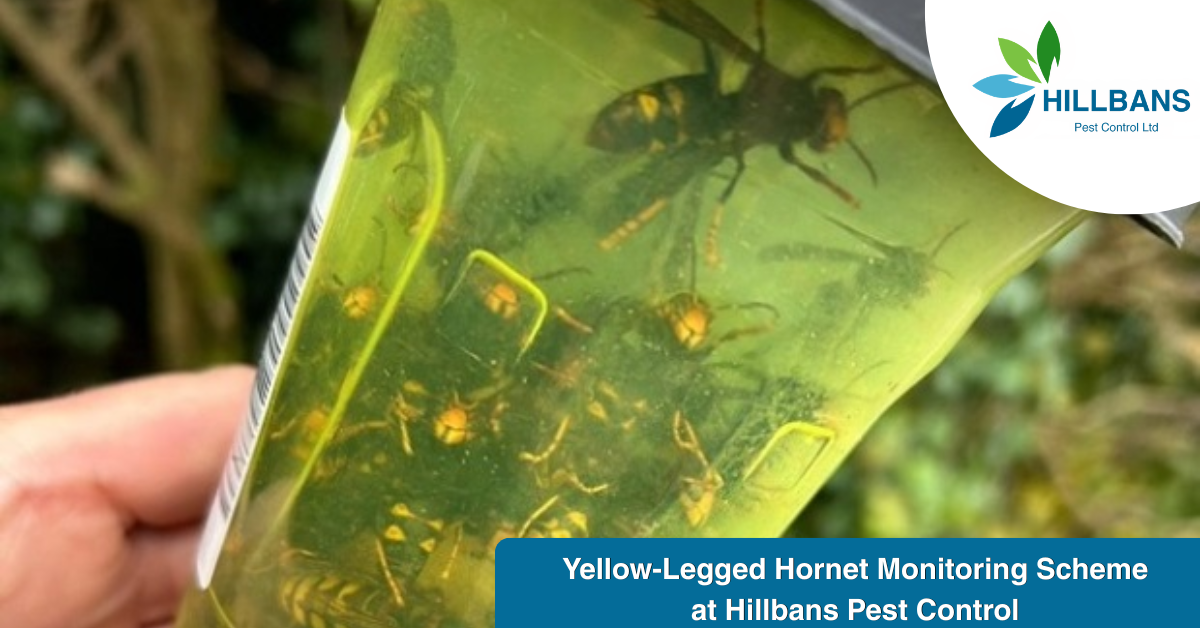
At Hillbans Pest Control, we are proud to introduce our Yellow-Legged Hornet Monitoring Scheme, reflecting our commitment to both environmental management and responsible pest control.
With increasing reports of unconfirmed Yellow-Legged Hornet sightings across the UK, we have developed a conservation-focused monitoring project. This is to help protect our local wildlife and improve our understanding of this invasive species. We believe environmental management and pest control should work hand in hand. Especially when it comes to monitoring and managing invasive pests.
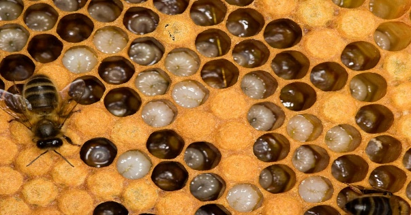
Grubs / Larvae of a bee
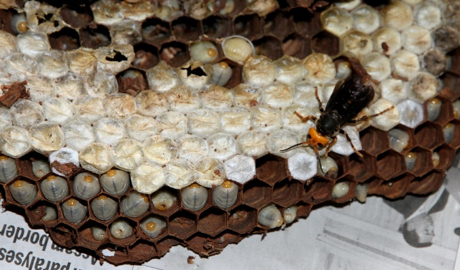
Grubs / Larvae of a Hornet
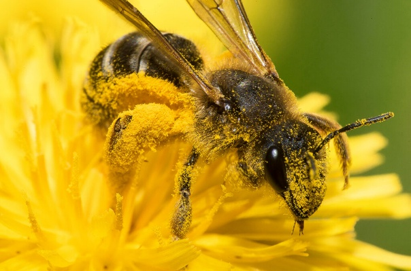
Pollen & Sugary Food Source
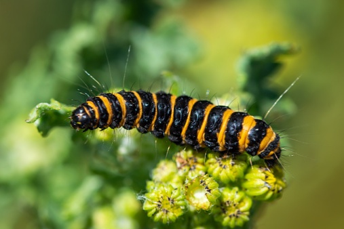
Protein Based Food Hornets / Wasps
Working alongside the National Bee Unit, Hillbans aims to monitor the northern areas of the Isle of Wight. This is for any signs of the Yellow-Legged Hornet (Vespa velutina). Our goal is to help minimise the impact this invasive species could have on native wildlife. Particularly our important pollinator populations.
As part of this project, we collect and analyse wasp and hornet data from monitoring locations. These are located across the north of the Island. Although confirmed sightings have been recorded in several locations along the south coast of mainland UK. There have currently been no confirmed sightings on the Isle of Wight.
By monitoring reports submitted to the National Bee Unit and maintaining our own monitoring stations across our catchment area, we are able to respond quickly should nearby sightings occur. The information collected also provides a valuable snapshot of local wasp and hornet populations. With this data it can be used across multiple environmental and conservation sectors.
Our monitoring scheme uses the natural behaviour of wasps and hornets to our advantage.
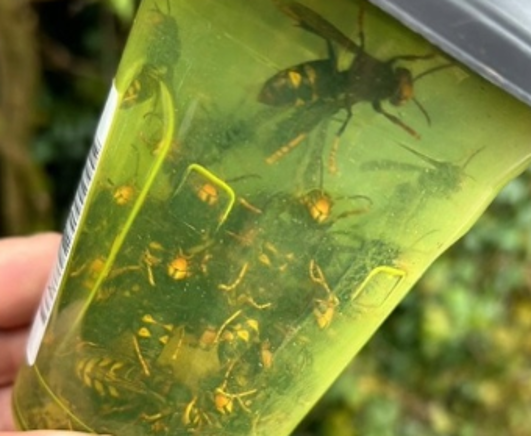
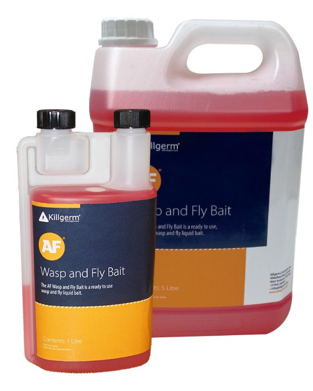
We use a protein-based liquid lure, presented within a Vespacatch trap. This is also recommended and used by the National Bee Unit.
Worker and drone hornets are naturally attracted to protein sources, which they collect to feed developing larvae within the nest. Bees, however, are primarily searching for sugars and nectar to feed their colony, making them far less likely to be attracted to the traps.
Although the occasional non-target insect may accidentally enter the trap. Our monitoring stations are checked regularly to ensure any impact on other species is kept to an absolute minimum.
Vespa Catch (Also recommended and used by the National Bee Unit)
One of the biggest challenges we face is the correct identification of Yellow-Legged Hornets.
Over the years, we have received many reports of possible sightings that have later proved to be native hornets, wasps or other insects. In many cases, there has been no photographic evidence available, making identification extremely difficult.
Several organisations, including the National Bee Unit and the British Beekeepers Association, have produced excellent identification guides to help members of the public distinguish between Yellow-Legged Hornets and our native species.
If you believe you have spotted a Yellow-Legged Hornet, taking a clear photograph from a safe distance is one of the most valuable things you can do before reporting the sighting.
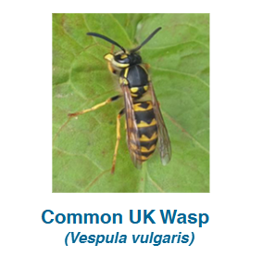
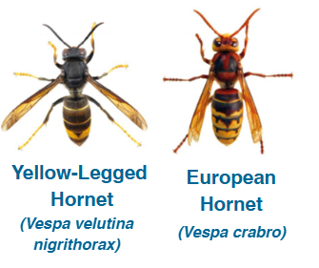
Wasps and hornets are often misunderstood.
Throughout the summer months they are frequently seen around our homes and gardens, and while their ability to sting often gives them a negative reputation, they actually play an important role within our ecosystem.
As well as contributing to pollination, wasps and hornets are highly effective natural predators, helping to control populations of caterpillars, flies and many other insects. This natural pest control helps maintain ecological balance and supports biodiversity.
Unfortunately, increasing publicity surrounding the invasive Yellow-Legged Hornet has also had the unintended effect of damaging the reputation of our native wasps and hornets. While it is important to monitor invasive species, it is equally important to recognise the valuable role our native species play within the environment.
At Hillbans Pest Control, we are passionate about educating the public and helping people better understand the ecological importance of wasps and hornets. This is through monitoring projects and awareness campaigns.
Our Yellow-Legged Hornet Monitoring Scheme is about much more than pest control. It is about gathering valuable scientific data, supporting conservation efforts and helping to protect the Isle of Wight’s native wildlife.
By working with national organisations, monitoring local populations and educating the public, we hope to contribute towards the early detection of this invasive species while continuing to promote the importance of our native wasps and hornets.
If you would like to learn more about the scheme. Or think you may have spotted a Yellow-Legged Hornet, please don’t hesitate to contact the team at Hillbans Pest Control.
