Droppings, gnaw marks, noises – what’s urgent vs what’s normal?
January is one of the busiest months for rat infestations in the UK. As temperatures drop and food sources outdoors become scarce, rats actively seek warmth, shelter and easy access to food often inside homes, garages, lofts and commercial premises.
The problem is that early signs are often missed or dismissed therefore catching a rat problem early can save significant damage, business reputational damage, loss of goods, financial losses and electrical issues.
We explain the most common early signs of a rat infestation in January how to recognise them, and which signs require urgent action.
What you need to know about Rats
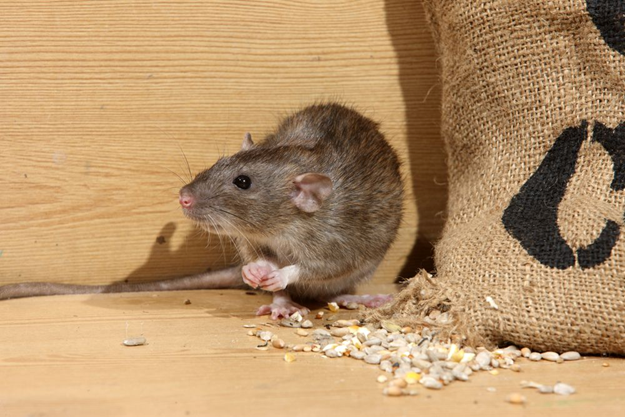
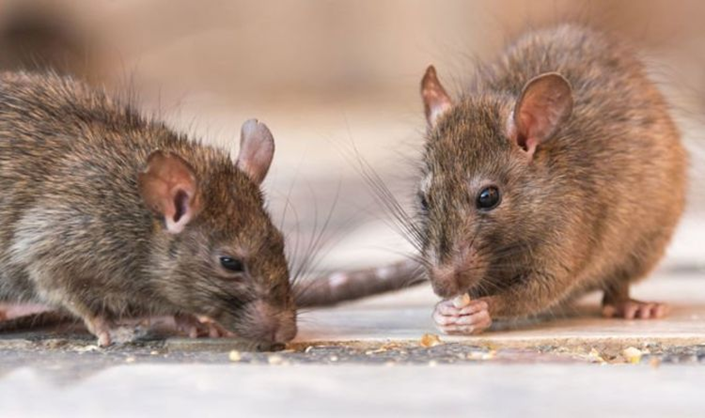
Rats can cause significant damage to property and businesses, they can gnaw through various different materials even some metals!
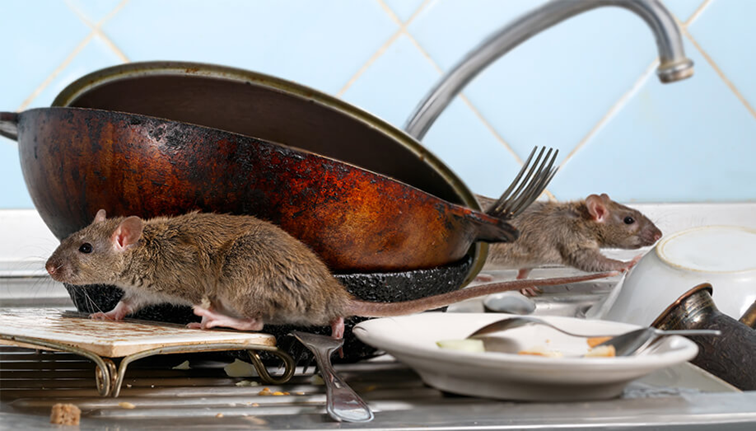
Rats can carry many nasty Zoonotic diseases which can spread to humans normally through rats’ urine or their bodies coming into contact with food preparation areas.
Rats are nocturnal and are most active at night and during dawn and dusk.
Rats have rapid population expansion, on average a female rat can produce up to six litters annually each containing up to twelve baby rats.
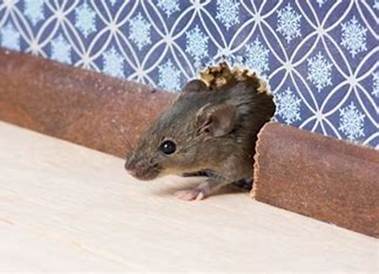
They are also excellent climbers and are capable of gaining entry through holes, vents, around cables entering the building or even via sewer systems. They can fit through holes as small as 0.5 inches!
Rats are also excellent runners and swimmers!
1. Strong or Unusual Smells – One of the First Clear Signs
During winter, smells can become more noticeable.
Possible odours:
Musky ammonia-like smell.
Strong urine scent.
Foul odour from a decreased rat.
Normal Vs Urgent:
🚨 Immediate action required especially if smell worsens over time.
2. Rat Droppings
What to look out for:
Dark brown or black droppings.
Typically 15-20mm long droppings.
Found along walls, behind appliances, in cupboards, lofts or garages.
Normal vs Urgent:
Normal: No droppings present
⚠️ Urgent: Fresh, shiny droppings appearing regularly especially in kitchens or food areas.
Fresh droppings indicate active rats, not a historic issue.
3. Scratching, Scurrying & Gnawing Noises
Common issues reported:
Scratching or scurrying sounds in the walls, ceilings or lofts.
Most noticeable at night when rats are most active.
Gnawing sounds as rats chew wood, wiring or pipes.
Normal vs Urgent:
Normal: Occasional house creeks due to temperature changes.
🚨 Urgent: Repeated movement noises, especially after dark or over serval nights. Consistent noise almost always points to rodents – either mice or rats.
4. Gnaw Marks & Physical Damage
Rats must gnaw constantly to control their teeth.
Signs Include:
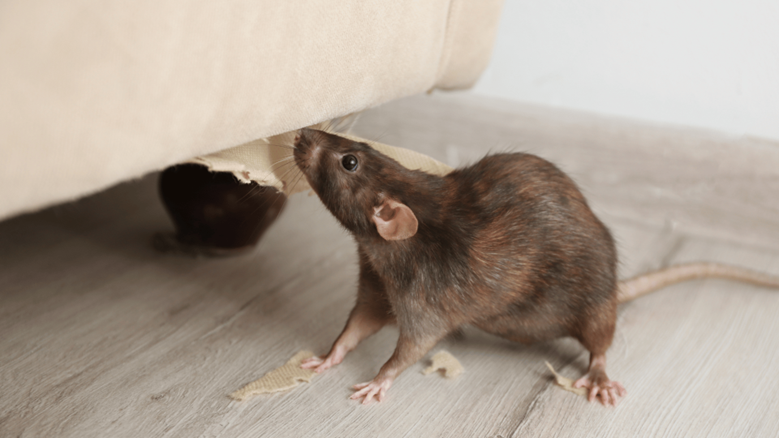
Chewed wood, plastic or packaging.
Bite marks on food containers.
Damaged insultation in lofts.
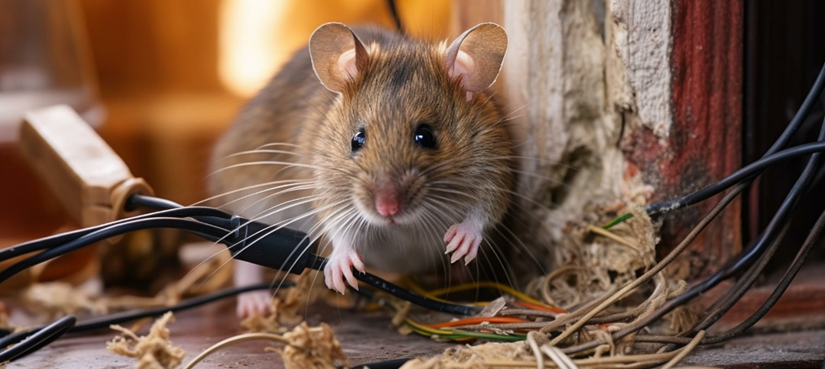
Chewed electrical wiring.
Urgency Levels:
🚨 Always Urgent: Damage means rats are actively present and nesting nearby.
5. Smear Marks & Grease Trails
Rats use the same routes repeatedly.
Look for:
Dark, greasy smear marks along skirting boards or walls.
Rub marks near entry points, pipes or holes.
Normal Vs Urgent:
Normal: No visible marks.
⚠️ Urgent: Clear trails suggest frequent rat movement.
Final Tip For January:
If something feels off unusual noises, smells or signs trust your instincts – Winter rats rely on staying hidden and early clues are easy to miss.
Contact Hillbans if you need rodent treatment or would like professional advice!
Contact Hillbans if you need rodent treatment or would like professional advice!