
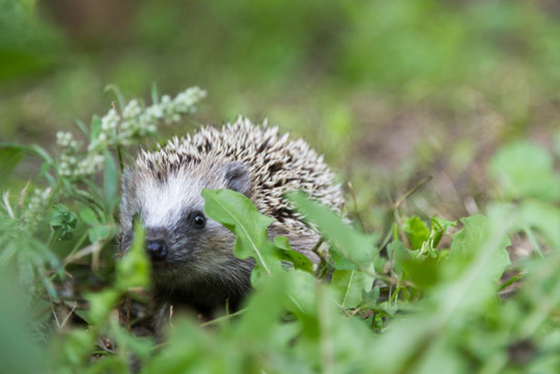
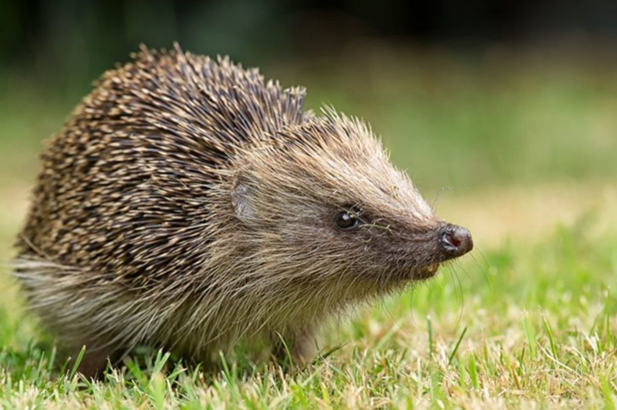
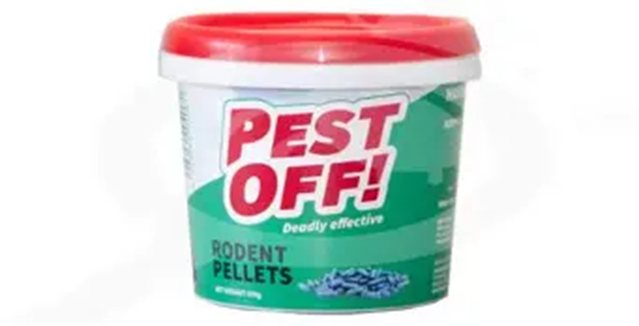
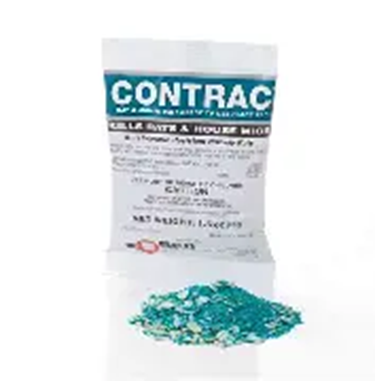
This blog post is about the hidden risks of rodenticides to hedgehogs in our gardens. If you are lucky enough to have visiting hedgehogs in your garden but also high rodent activity, you could be placing your garden species at risk (Kovacs, 2019). Most treatments for rodents are carried out within a property by a professional, following a code of conduct as well as the law to ensure safety of non-target species. Although these treatments are costly in a “cost of living” crisis, some less potent rodenticides can be readily bought from local garden markets across the U.K.

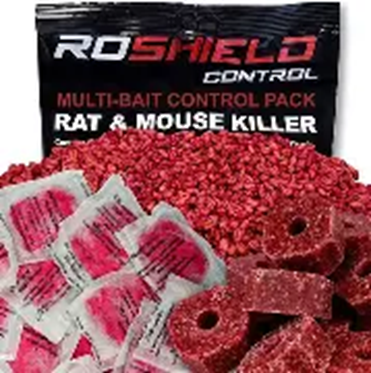
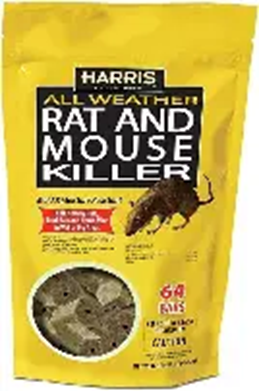
Sometimes these “store-bought” treatments are obtained as a quick solution by people who can not afford professional services or are embarrassed that they have a population that needs treatment. These treatments are placed around the garden in various locations. Yet people continue with the habits that caused the activity in the first place. The treatments can lead to non-target consumption, secondary poisoning, and resistance to certain rodenticides. This is due to their lower percentage of active ingredients. They also relieve any responsibility for damage to local wildlife and its ecology by the user.
Bio magnification is the concentration of a substance, especially a pesticide, in the tissues of organisms at successively higher levels within a food chain.
Bioaccumulation is the gradual accumulation of substances, such as pesticides or other chemicals, in an organism. This occurs when an organism absorbs a substance faster than it can be lost or eliminated by catabolism and excretion. Thus, the longer the biological half-life of a toxic substance, the greater the risk of chronic poisoning, even if environmental levels of the toxin are not very high.
Secondary poisoning is the poisoning that results when one organism encounters or ingests another organism that has poison in its system.
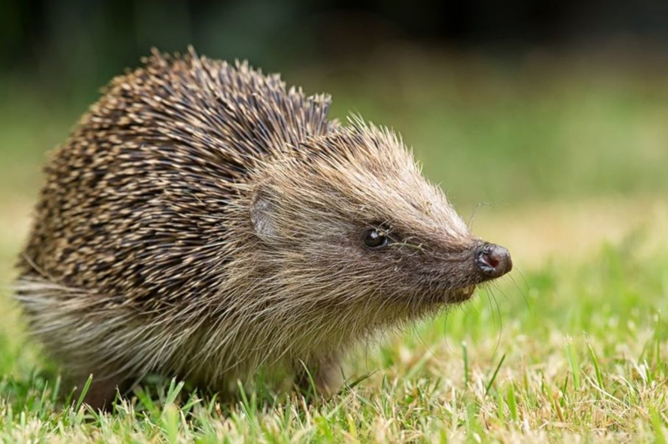
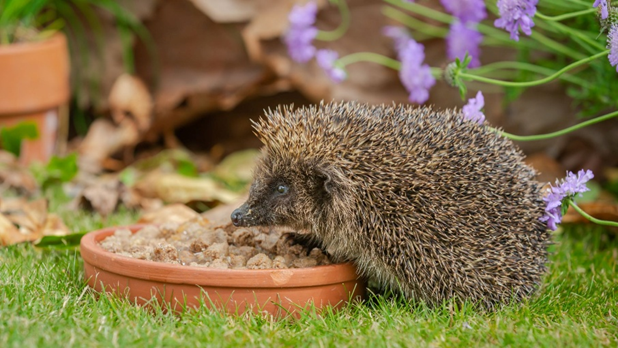
Rodenticides are known to accumulate in food chains within ecosystems, posing a threat to conservation efforts across the U.K. Hedgehogs are known as insectivores, and their natural diet includes insects, gastropods, and they exhibit opportunistic scavenging behaviours on carrion. This can become a problem regarding non-professional use of substances and creates a situation that’s life-threatening for the hedgehogs and concerning for the individual using said treatments.
Invertebrates such as beetles and gastropods (slugs) constitute a considerable proportion of the natural diet of hedgehogs. These species will consume the treatments with little effect, exhibiting bio magnification. Regardless of support feeding habits, hedgehogs will also consume their natural food sources whenever possible. Using these treatments outside allows these species to consume a lot of this substance (Dowding, 2010), which bioaccumulates within their bodies and leads to secondary poisoning within the hedgehog population in the given area (Alomar, 2018).
If you find yourself in the situation where a treatment will need to take place, think accountability and responsibility.
Looking for and identifying the cause of the problem is always the best direction when using any type of pesticide. Look at the space and practices you execute on a daily to weekly basis.
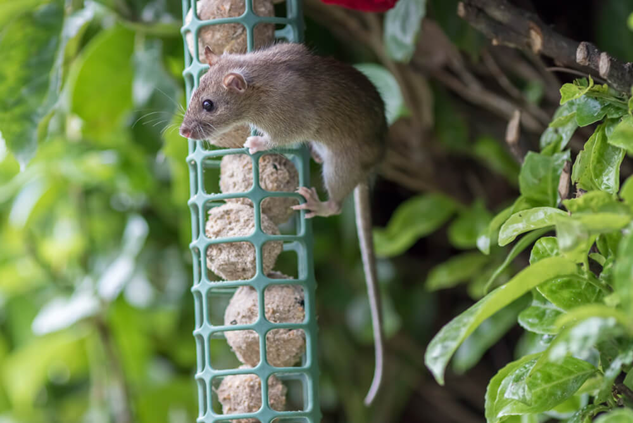
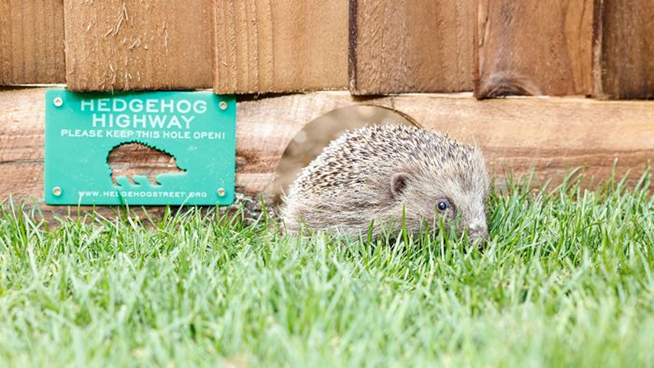
If you do support-feed hedgehogs in your garden or have visiting hedgehogs periodically or frequently, blocking accessibility (hog highways) during treatment periods would be a serious requirement. Although slightly aggressive in stopping hogs using gardens as a highway, this can prevent hogs from encountering natural food sources that have been exposed within the target treatment area.
Talk with your technician if they are told that you have visiting hedgehogs, they will check for high slug numbers in every treatment box placed externally and give you some tips on how to keep numbers down. Removing all carcasses from the area and taking them away to be incinerated is the best practice and should be offered by all companies using rodenticide, as per the British Pest Control Association guidance.
Being educated in the use of rodenticides would lead an individual to always look at using professional services. Each service provided is covered by its own code of conduct and follows the law, leading to accountability when we look at our wildlife.
References
Kovacs, E. (n.d.). Secondary Poisoning and Ecological Effects of Anticoagulant Secondary Poisoning and Ecological Effects of Anticoagulant Rodenticides Rodenticides. [online] Available at: https://dsc.duq.edu/cgi/viewcontent.cgi?article=1053&context=duquark.
Dowding, C.V., Shore, R.F., Worgan, A., Baker, P.J. and Harris, S. (2010). Accumulation of anticoagulant rodenticides in a non-target insectivore, the European hedgehog (Erinaceus europaeus). Environmental Pollution, 158(1), pp.161–166. doi:https://doi.org/10.1016/j.envpol.2009.07.017.
Alomar, H., Chabert, A., Coeurdassier, M., Vey, D., & Berny, P. (2018). Accumulation of anticoagulant rodenticides (chlorophacinone, bromadiolone and brodifacoum) in a non-target invertebrate, the slug, Deroceras reticulatum. Science of the Total Environment, 610-611, 576–582. https://doi.org/10.1016/j.scitotenv.2017.08.117
