
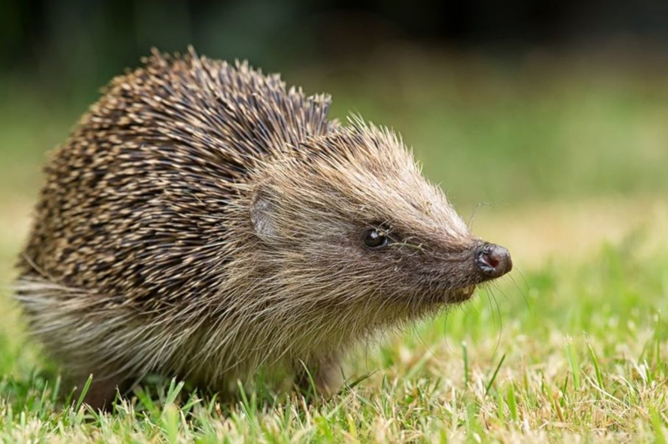
Through March, we will be covering support feeding – See our first post about hedgehogs:
Hillbans Pest Control, focuses on various issues concerning pest species whilst understanding that human intervention can go hand in hand with most issues faced by our local wildlife. This blog focuses on one of Britain’s most loved garden visitors: The hedgehog (Erinaceus europaeus).
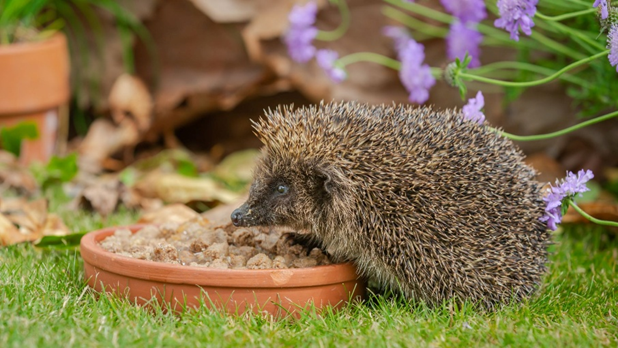
Support feeding is way to support wildlife when natural food sources are scare. However, understanding your garden ecology is the first step towards responsible wildlife management keeping our beloved species safe.
Hedgehogs (Erinaceus europaeus) are seen as a rural species, associated with rural and agricultural landscapes across Europe. However, recent studies have shown that hedgehogs are more likely to be found in urban than rural habitats in the UK (Yarnell, 2020). Food availability has been shown to having an influence on hedgehog distribution and has been shown to influence hedgehog habitat selection as well as foraging patterns.
(Wilson E, 2018)
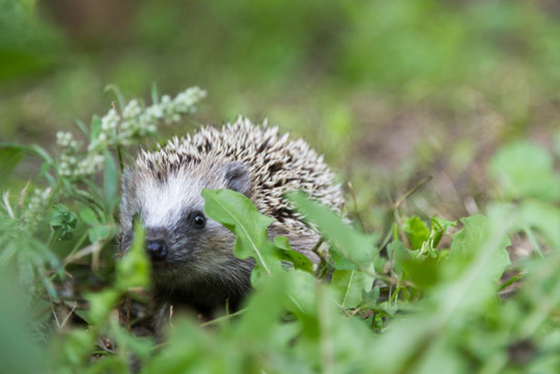
Putting out food does not guarantee you’re only feeding visiting hedgehogs.
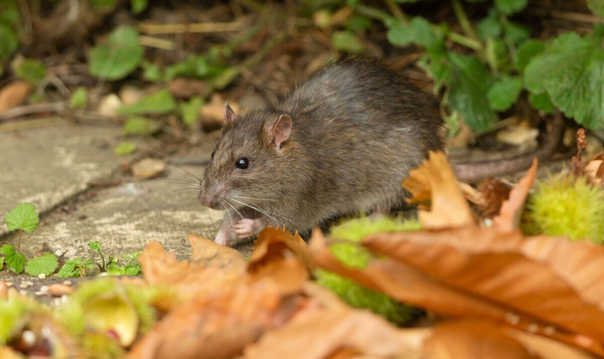
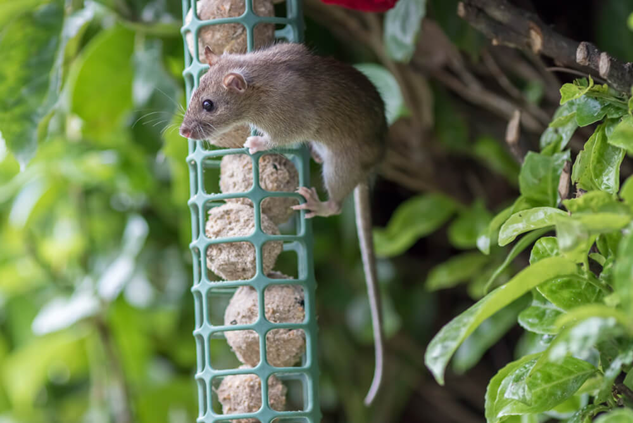
Supplementary feeding can attract multiple species including but not all:
Inviting prey species into a garden with known predator activity is only going to end in fatalities and decreased numbers as a whole. Local areas with badger highways and visiting foxes should deter hedgehogs from visiting.
Research shows that supplementary feeding can alter wildlife behaviour. Before feeding:
Hedgehogs evolved to feed on invertebrates and are known as insectivores. A healthy garden ecosystem provides:
Many UK households are interested in wildlife and has seen a rise in greener practices across the UK. Your garden should be a healthy balance of species, both flora and fauna, but not all areas and practices promoted are appropriate.
An example is bird boxes and feeders being installed in residential gardens, and approximately 51% of residents supply food for birds (Gazzard, 2021). However, bird feeders are often utilised by non target species that are common and widespread affecting the population of targeted individuals and causing declining trends that are usually unseen.
Although more research is needed on the effects of support feeding, we can all play our part and critically think about our own practices within our areas. Seasonal planting helps to encourage various species within your garden promoting natural food sources and behaviours for hedgehogs. The use of superficially manufactured or supplemental food has seen spikes in weight gain of individuals leading to health issues and easier predation from predators (Angela Gimmel, Etl 2021).
Home self-management of “pest species”, readily acquired, has seen a rise in non-target secondary poisoning. Given that one of hedgehog’s natural food sources bioaccumulates substances used to manage rodents, this in turn leads to poisoning.
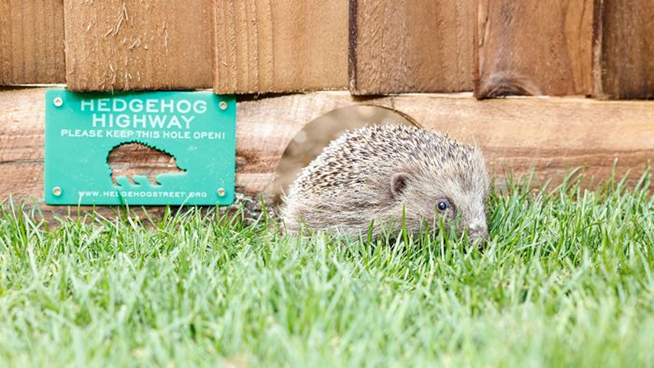
Hedgehogs roam widely, small 13cm x 13cm gaps in fences allow safe movement between gardens. Encourage neighbours to join in creating connected gardens to create safer micro-habitats with increasing populations.
By having hedgehog highways, hedgehogs will not become trapped and will be able to look for natural food sources whilst exhibiting natural behaviors.
Trail cameras provide insight into:

At Hillbans we believe pest management and wildlife conservation can work together with the correct approach. All our information is current and researched by peer reviewed papers. If you wish to talk to our conservation or environmental management team, please ccontact us for more information or advice.
Yarnell, R. W., & Pettett, C. E. (2020). Beneficial land management for hedgehogs (Erinaceus europaeus) in the United Kingdom. Animals, 10(9), 1566. Beneficial Land Management for Hedgehogs (Erinaceus europaeus) in the United Kingdom
Wilson, E., & Wembridge, D. (2018). The state of Britain’s hedgehogs 2018. People’s Trust for Endangered Species: London, UK. SoBH-2018_final-1.pdf
Gazzard, A., Boushall, A., Brand, E., & Baker, P. J. (2021). An assessment of a conservation strategy to increase garden connectivity for hedgehogs that requires cooperation between immediate neighbours: A barrier too far?. PloS one, 16(11), e0259537.
Chace, J.F., & Walsh, J.J. (2006) Urban effects on native avifauna: A review.Landsc Urban Plan 74, 46-69.
Inger, R Gregory, JP Duffy, I Stott, P Voříšek, P., et al. (2015) Ecology – Wiley Online Library.
Gimmel A, Eulenberger U, & Liesegang, A. (2021). Feeding the European hedgehog (Erinaceus europaeus L.)—risks of commercial diets for wildlife.
11july2021 https://doi.org/10.1111/jpn.13561
