Here at Hillbans, we are continuing with the Seasonal Garden Management theme, moving into avian species and how to support them responsibly.
Feeding wild birds is popular in domestic gardens across the world, with around half of households in the UK, North America, and Australia doing so (Orros & Fellowes, 2015). From garden feeders to backyard chickens, supplementary feeding has become a routine part of seasonal garden management.
But an important question remains:
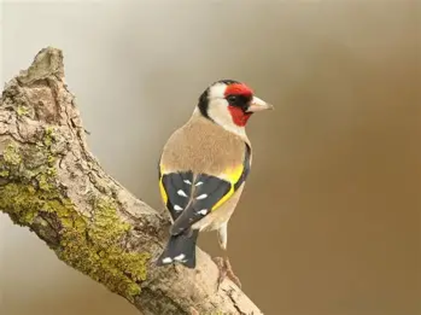
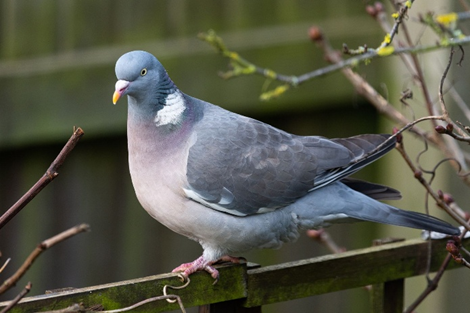
At Hillbans Pest Control, we regularly see how people feeding birds within gardens can cause issues with rodents, alter bird behaviour, as well as affect population dynamics and increase disease and parasite transmission. A balanced approach supports wildlife while reducing pest risk.
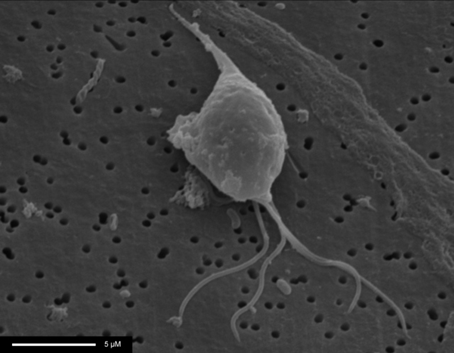
There has been a rise in parasite activity within finches, spread from pigeons that are utilising the same bird feeders. Although the parasite targets each species differently, several studies have shown a decrease in certain finch populations across the UK due to increased contact, habitat loss, and human intervention (Robinson et al., 2010).
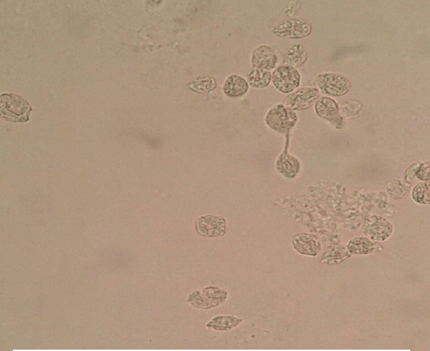
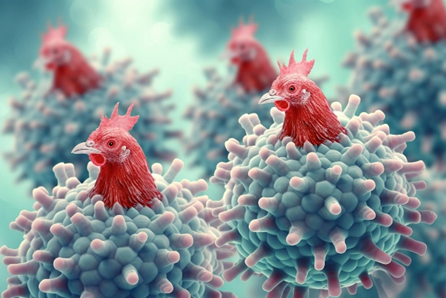
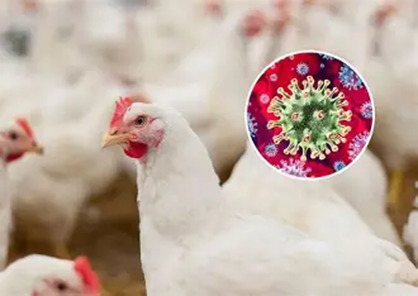
Of late, avian influenza, (bird flu) has been on the rise and affects avian species from livestock to wild populations. This is also known as a zoonotic disease. Guidance is readily available on the government website. Increased education, wellbeing initiatives, and more sustainable practices at home could help reduce the spread of disease.
Every year, millions of households provide huge quantities of supplementary food to wild birds (Robb et al., 2008). Research has shown that the increasing prevalence of predictable anthropogenic food subsidies, such as those provided by garden bird feeders, is likely to intensify between-species competition (Francis et al., 2018).
Therefore, supplementary feeding can significantly influence bird population dynamics, behaviour, and survival. Always be responsible and accountable for your own practices.
Looking into the various foods available on the market, alongside statics on species recorded by associations and organisations, can help inform better decisions. Knowing if your area supports certain species can help with understanding population dynamics. Surveying your garden yearly will also help both personal understanding and national data on the overall effects of this practice.
Feeding Stations Can:
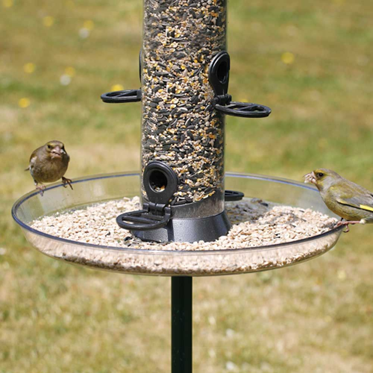
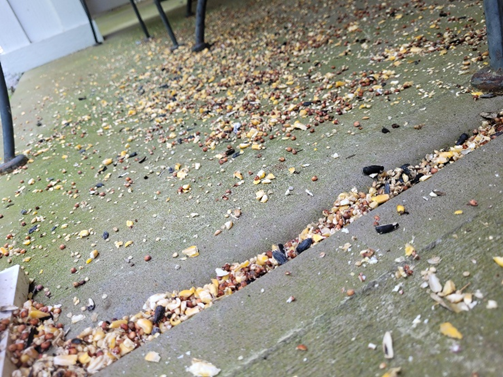
Putting out food does not guarantee you are only feeding birds.
Supplementary feeding can attract multiple species, including but not limited to:
Inviting prey species into a garden with known predator activity is likely to result in fatalities and reduced populations.
To reduce unintended consequences:
Different feeders can reduce waste:
Avoid overfilling and provide only what birds will consume within an individual day.
2. Manage Food Quantities
Ensure you:
3. Hygiene is Critical
Bird feeders can have important ecological consequences in localised areas because dense aggregations of birds at predictable feeding sites can attract predators, non-target species, and increased infection risk (Dayer et al., 2019).
Best practice includes:
4. Positioning Matters
Place feeders:
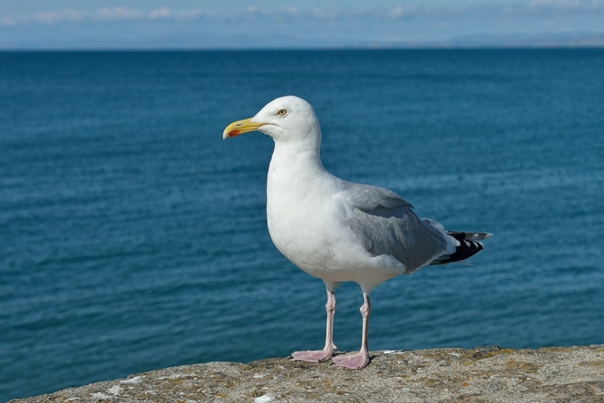
Human–animal conflict involving larger species is on the rise due to their protected status.
They are known to scare other smaller species, attract rodents, and spread diseases.
Always:
References
Dayer, A. A., Rosenblatt, C., Bonter, D. N., Faulkner, H., Hall, R. J., Hochachka, W. M., Phillips, T. B., & Hawley, D. M. (2019). Observations at backyard bird feeders influence the emotions and actions of people that feed birds. People and Nature, 1(2). https://doi.org/10.1002/pan3.17
Francis, M. L., Plummer, K. E., Lythgoe, B. A., Macallan, C., Currie, T. E., & Blount, J. D. (2018). Effects of supplementary feeding on interspecific dominance hierarchies in garden birds. PLOS ONE, 13(9), e0202152. https://doi.org/10.1371/journal.pone.0202152
Orros, M. E., & Fellowes, M. D. E. (2015). Wild Bird Feeding in an Urban Area: Intensity, Economics and Numbers of Individuals Supported. Acta Ornithologica, 50(1), 43–58. https://doi.org/10.3161/00016454ao2015.50.1.006
Robinson, R.A., Lawson, B., Toms, M.P., Peck, K.M., Kirkwood, J.K., Chantrey, J., Clatworthy, I.R., Evans, A.D., Hughes, L.A., Hutchinson, O.C., John, S.K., Pennycott, T.W., Perkins, M.W., Rowley, P.S., Simpson, V.R., Tyler, K.M. and Cunningham, A.A. (2010). Emerging Infectious Disease Leads to Rapid Population Declines of Common British Birds. PLoS ONE, [online] 5(8), p.e12215. doi:https://doi.org/10.1371/journal.pone.0012215.
Robb, G. N., McDonald, R. A., Chamberlain, D. E., & Bearhop, S. (2008). Food for thought: supplementary feeding as a driver of ecological change in avian populations. Frontiers in Ecology and the Environment, 6(9), 476–484. https://doi.org/10.1890/060152
